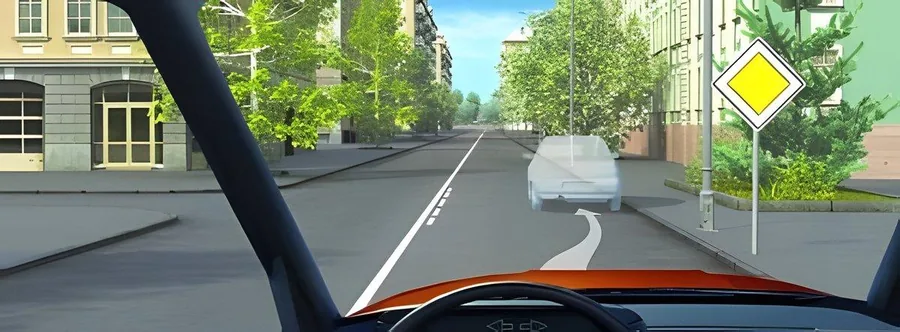
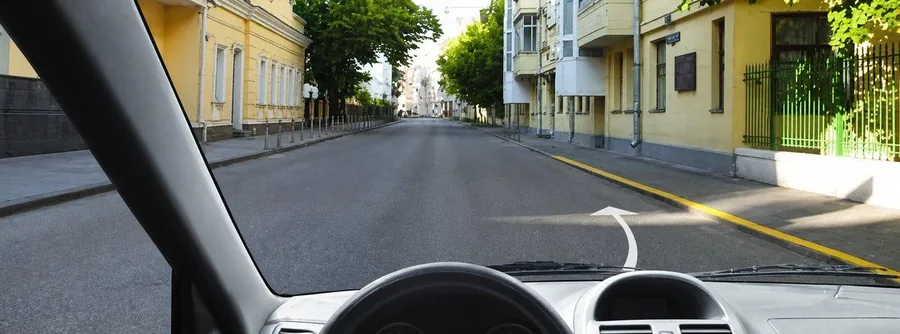
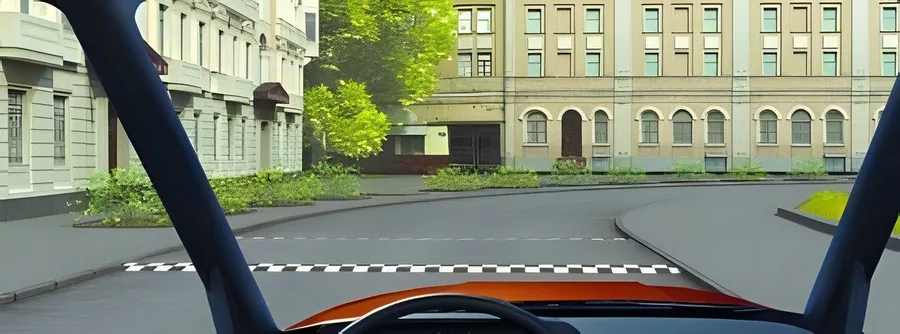
Stopping at the indicated location is:
-
Permitted.
-
Permitted if the distance from the vehicle to the pavement marking is more than 3 meters.
-
Prohibited.
(Correct answer)
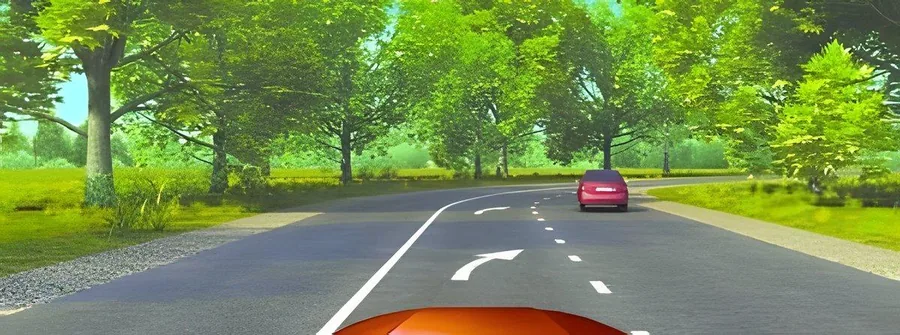
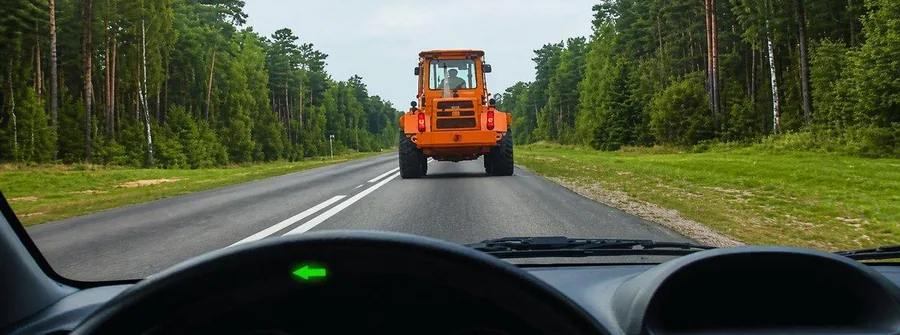
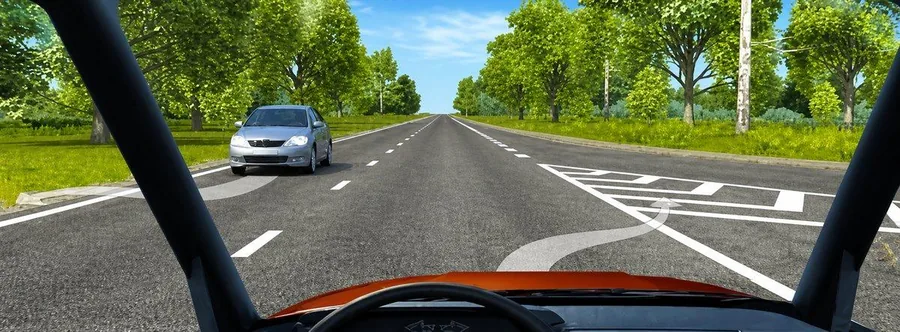
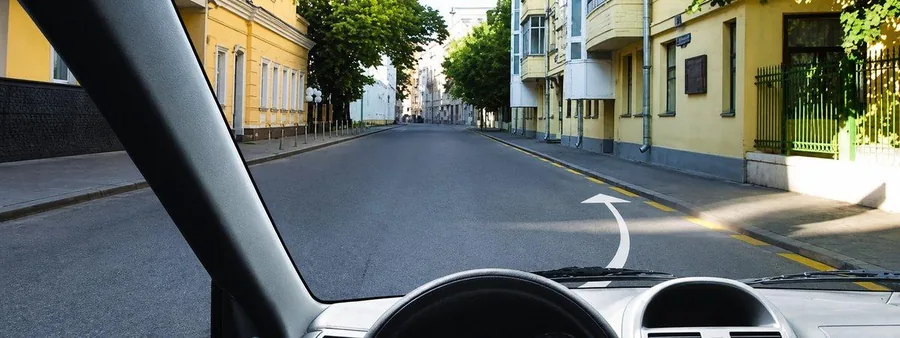
This pavement marking indicates:
-
Right-of-way when changing lanes.
-
Approach to a curved section of road.
-
Approach to the end of the lane.
(Correct answer)
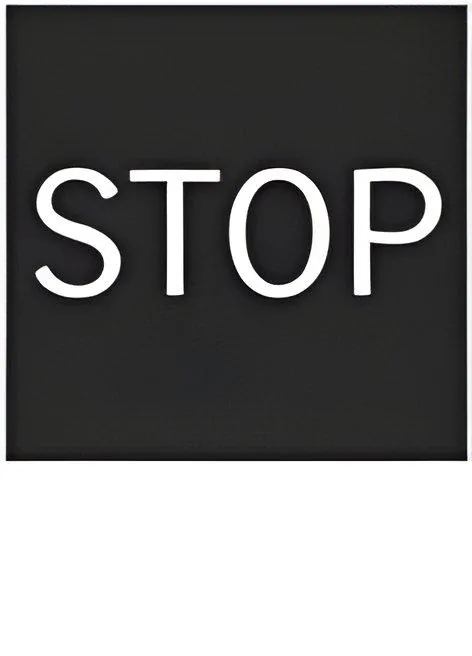
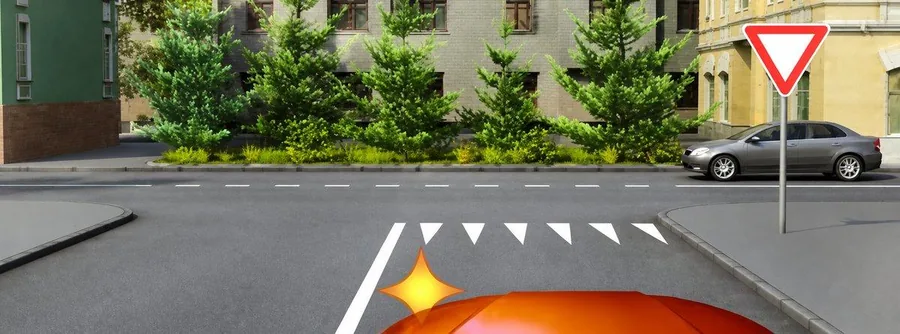
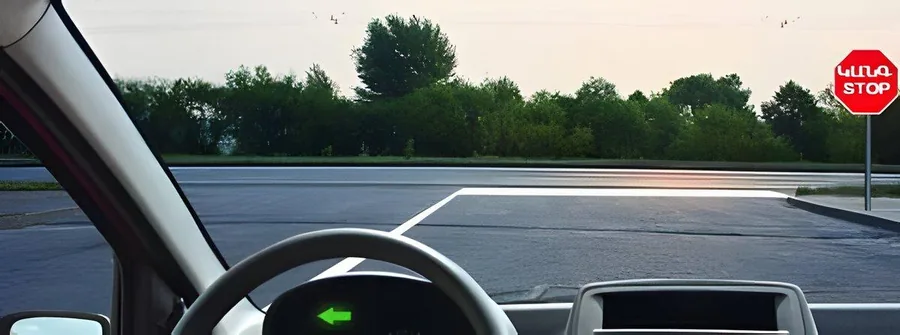
What does this pavement marking indicate?
-
Approach to the “Stop Line” at a signal-controlled intersection.
-
Approach to the “Stop Line” pavement marking when it is used together with a “STOP” sign.
(Correct answer)
-
Approach to a barrier gate.
Vertical markings on barriers indicate:
-
Approach to a railroad crossing.
-
Approach to a dangerous intersection.
-
Movement along a dangerous section of road.
(Correct answer)
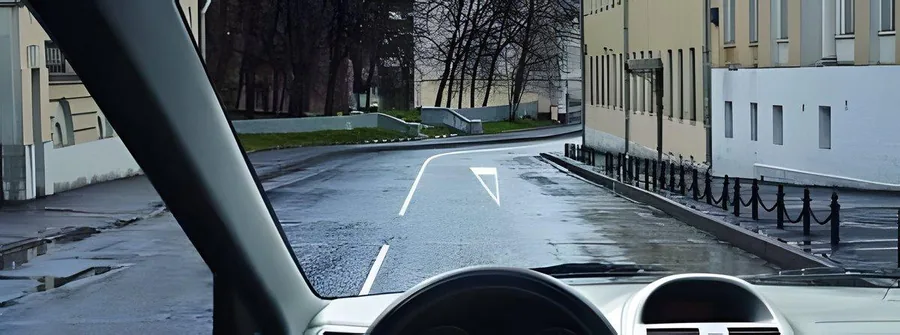
This triangular pavement marking indicates:
-
Approach to a dangerous turn.
-
Approach to a location where drivers must yield.
(Correct answer)
-
Approach to a location where vehicles must stop.
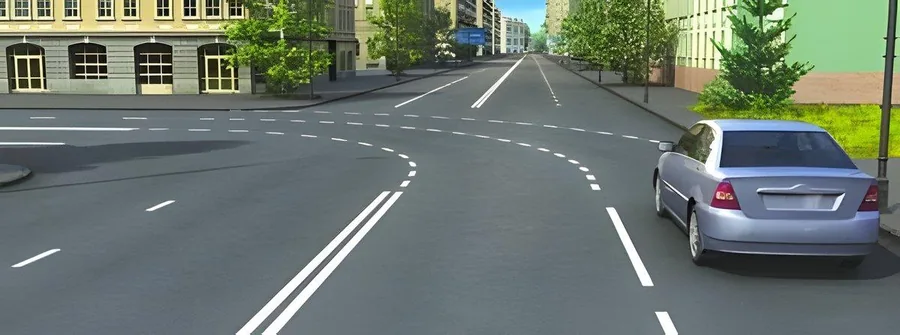
These broken pavement markings within the intersection indicate:
-
Permitted directions of traffic.
-
Traffic lanes within the intersection.
(Correct answer)
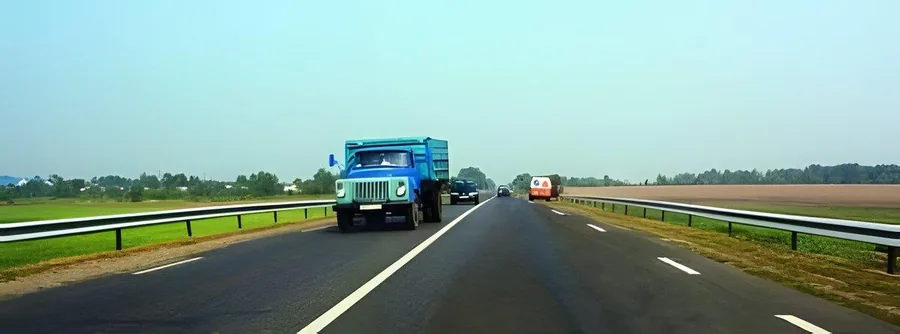
With this pavement marking, passing is:
-
Permitted.
(Correct answer)
-
Prohibited.
-
Permitted only when passing tractors.
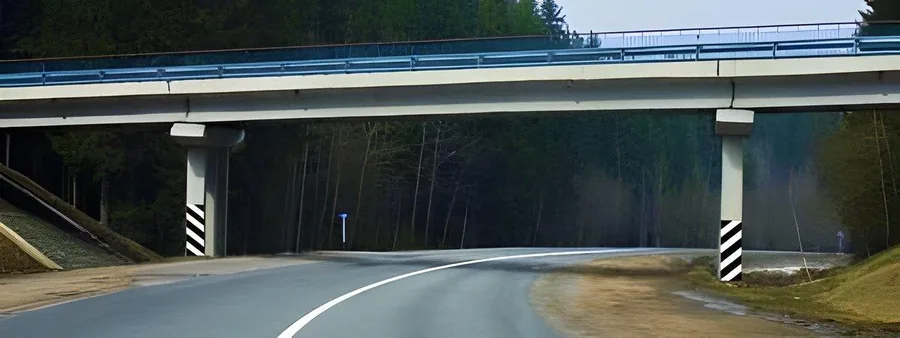
This vertical pavement marking:
-
Marks all vertical elements adjacent to the roadway.
-
Marks only those elements of road structures that present a hazard to drivers.
(Correct answer)
With this pavement marking, may you enter the intersection if doing so does not interfere with the passenger-car driver?
-
Yes.
-
No.
(Correct answer)
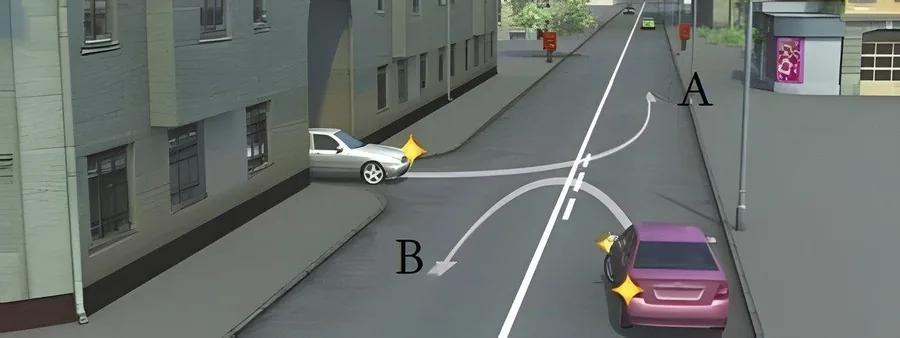
Which driver following the indicated path does not violate the pavement-marking requirements?
-
Only A.
-
Only B.
(Correct answer)
-
Both violate the requirements.
-
Neither violates the requirements.
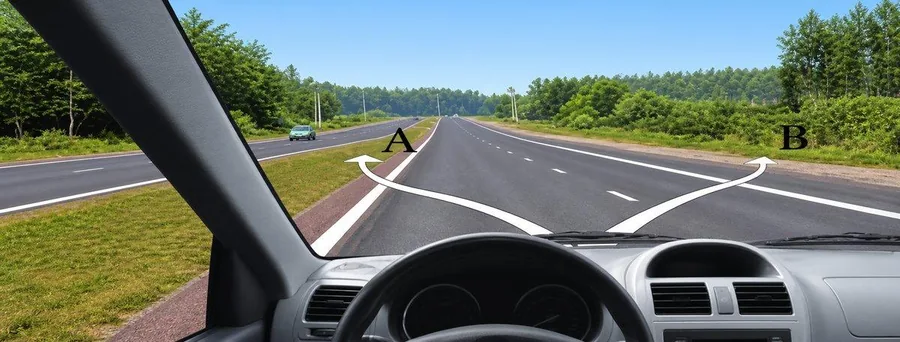
In which case is it permitted to cross the solid pavement marking?
-
Only B, when stopping.
(Correct answer)
-
In neither case.
-
In both cases, when stopping.
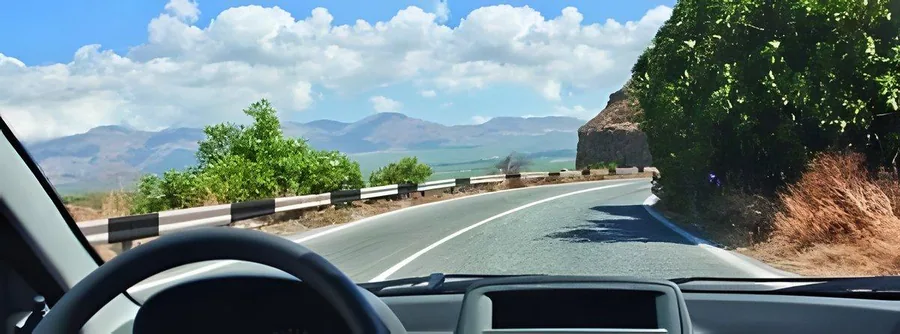
What does the broken pavement marking indicate?
-
The right to stop on the shoulder.
-
The edges of the roadway on a two-lane road.
(Correct answer)
-
The right to proceed on the shoulder.
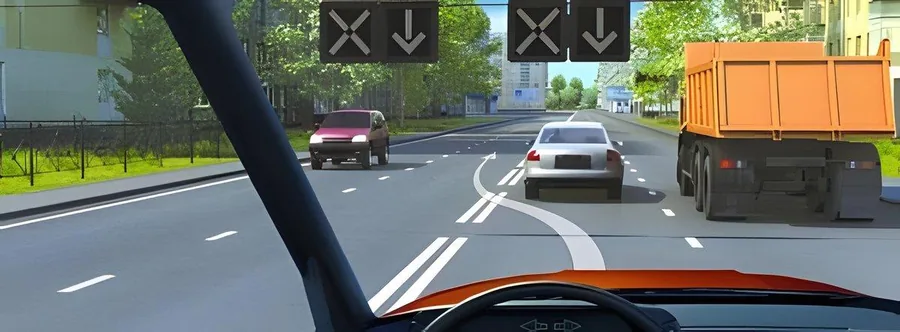
In this situation, proceeding along this path is:
-
Permitted only when passing.
-
Permitted.
-
Prohibited.
(Correct answer)
Is parking permitted at the indicated location?
-
Permitted.
-
Permitted without driving onto the sidewalk.
-
Prohibited.
(Correct answer)
With this pavement marking, passing is:
-
Permitted.
-
Permitted if the vehicle ahead is a slow-moving vehicle.
-
Prohibited.
(Correct answer)
May you continue beyond the sign?
-
Yes.
-
Yes, up to the “Stop Line.”
(Correct answer)
-
No.
When orange and white pavement markings conflict, drivers:
-
May follow whichever pavement marking is more convenient.
-
Must follow the white pavement marking.
-
Must follow the orange pavement marking.
(Correct answer)
Which driver is permitted to cross the solid pavement marking when stopping?
-
Both drivers.
-
The driver proceeding from the opposite direction.
(Correct answer)
-
Neither driver is permitted.
Is stopping permitted at the indicated location?
-
For motorcycles only.
-
No.
-
Yes.
(Correct answer)
This pavement marking:
-
Indicates the boundaries of a Residential Zone.
-
Indicates a speed hump.
(Correct answer)
-
Prohibits further traffic.