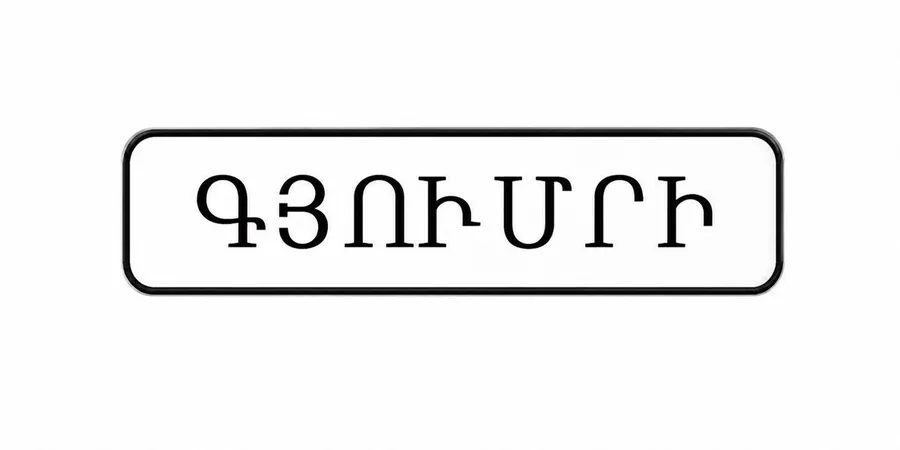
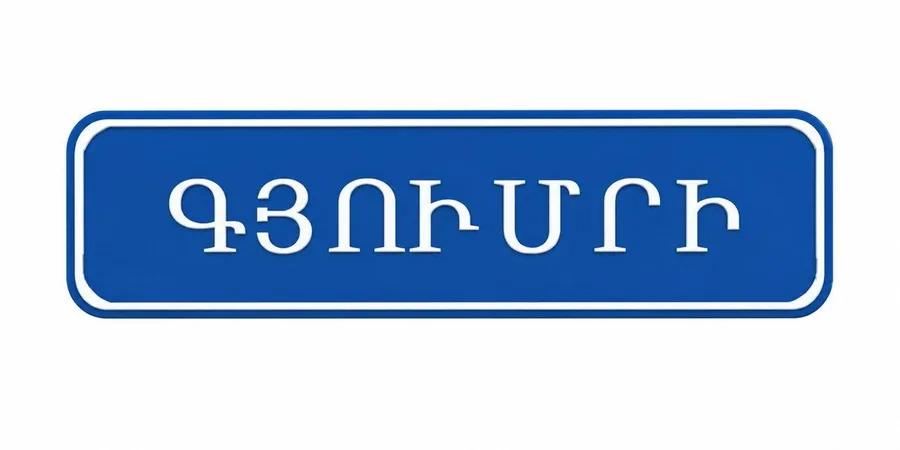
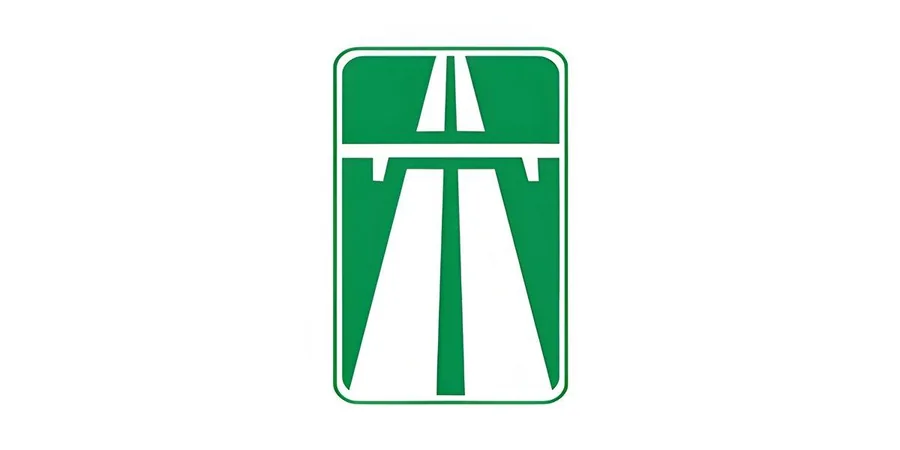
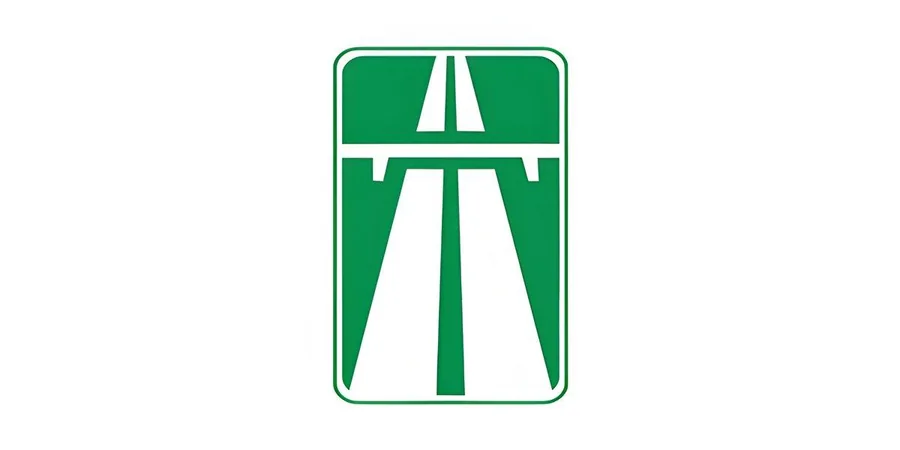
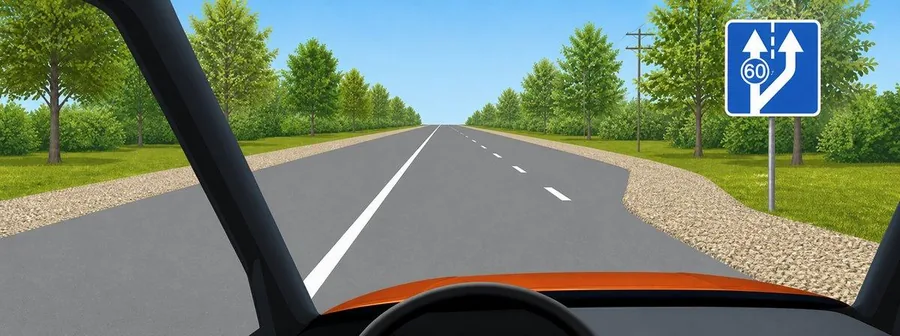
On roads marked with this sign, drivers of intercity buses are permitted to proceed at a speed not exceeding:
1
60 km/h.
(Correct answer)
2
80 km/h.
3
90 km/h.
42
On roads marked with this sign, drivers of intercity buses are permitted to proceed at a speed not exceeding:
1
60 km/h.
2
80 km/h.
3
90 km/h.
(Correct answer)
43
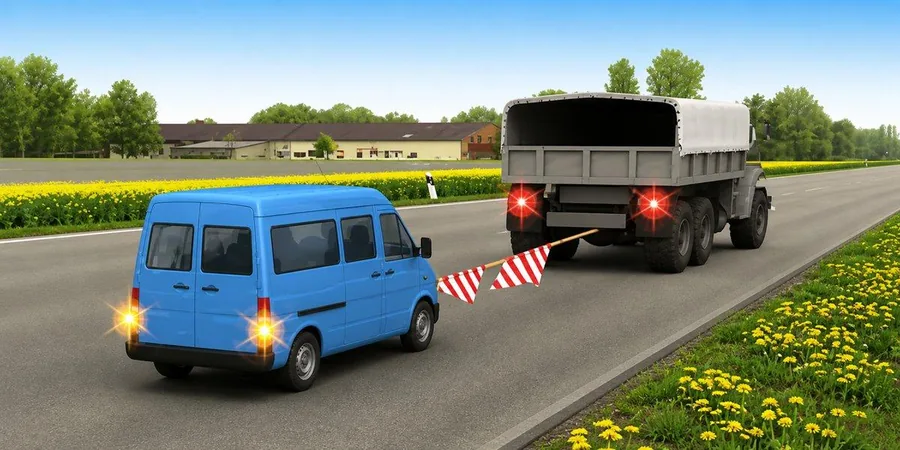
In this situation, is carrying passengers in the bus passenger compartment permitted?
1
Prohibited.
(Correct answer)
2
Permitted.
3
Permitted according to the number of seats.
44
When towing with a rigid or flexible coupling, is carrying passengers in the towed bus permitted?
1
Prohibited.
(Correct answer)
2
Permitted when towing with a rigid coupling.
3
Permitted.
45
During towing, the towed vehicle must have the following activated:
1
High-beam headlights.
2
Low-beam headlights.
3
Hazard warning lights.
(Correct answer)
46
What is the maximum permitted speed for intercity buses on freeways?
1
70 km/h.
2
80 km/h.
3
90 km/h.
(Correct answer)
4
100 km/h.
5
110 km/h.
47
What is the maximum permitted speed for a bus on road sections where this traffic sign is in effect?
1
70 km/h.
2
80 km/h.
3
90 km/h.
(Correct answer)
4
100 km/h.
5
110 km/h.
48
What is the maximum permitted speed for intercity buses on freeways?
1
70 km/h.
2
80 km/h.
3
110 km/h.
4
100 km/h.
5
90 km/h.
(Correct answer)
49
What is the maximum permitted speed for vehicles within areas where the “Residential Zone” and “End of Residential Zone” traffic signs apply?
1
Not exceeding 5 km/h.
2
Not exceeding 10 km/h.
3
Not exceeding 20 km/h.
(Correct answer)
50
What is the maximum permitted speed for passenger cars on road sections where this traffic sign is in effect?
1
70 km/h.
2
80 km/h.
3
90 km/h.
4
100 km/h.
5
110 km/h.
(Correct answer)
51
When towing a motor vehicle, in which lane may you continue on this road?
1
The right lane only.
(Correct answer)
2
Any lane.
52
What conditions must a driver take into account when selecting a speed within the permitted limits?
1
The condition of the road surface.
2
Visibility in the direction of movement.
3
Both of the above conditions.
(Correct answer)
53
Within the permitted limits, what maximum speed should a driver select?
1
A speed that ensures full control of the vehicle.
(Correct answer)
2
The driver may select any speed that does not exceed the maximum permitted speed.
54
A driver is prohibited from:
1
Exceeding the maximum speed specified by the technical characteristics of the vehicle.
2
Exceeding the speed specified by the “Speed Limit” identification sign displayed on the vehicle.
3
Driving at an unnecessarily low speed and thereby impeding the movement of other vehicles.
4
Braking suddenly unless necessary to prevent a traffic accident.
5
All of the above actions.
(Correct answer)
55
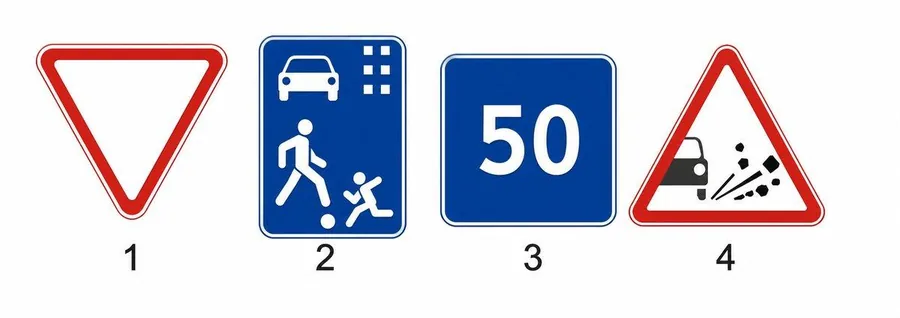
Which sign limits speed?
1
1 and 3.
2
1 and 4.
3
2
(Correct answer)
4
2 and 3.
56
A driver is prohibited from:
1
Crossing a railroad crossing at a speed greater than 30 km/h.
2
Crossing a railroad crossing at a speed below 30 km/h.
3
Proceeding across a railroad crossing, without the permission of the head of the railroad track section, in slow-moving vehicles with a speed below 8 km/h or in tractors coupled to sledges.
(Correct answer)
57
When approaching an intersection, the driver must operate the vehicle at a speed that:
1
Does not exceed the maximum permitted speed established for that road section.
2
Allows the driver to stop and yield to vehicles having the right-of-way.
(Correct answer)
58
A driver is prohibited from increasing speed:
1
If doing so would prevent a driver who is passing from completing the passing maneuver.
(Correct answer)
2
If doing so is necessary to clear the way for a driver who has stopped in order to yield.
3
If doing so is necessary to clear the intersection.
59
A driver must reduce speed:
1
When approaching a vehicle displaying the “Transportation of Children” identification sign while children are boarding or exiting.
2
If blinded.
3
When an obstruction or danger to traffic arises.
4
When approaching a vehicle displaying flashing blue and red beacons and using a special audible signal, as well as when approaching a stationary vehicle displaying flashing blue or flashing blue and red beacons.
5
In all of the above cases.
(Correct answer)
60
When must a bus driver activate the hazard warning lights when towing another motor vehicle?
1
The hazard warning lights must be activated only on the towing bus to warn drivers approaching from behind.
2
The hazard warning lights must be activated on both the towing bus and the towed vehicle to ensure maximum visibility.
3
The hazard warning lights must be activated only on the towed vehicle.
(Correct answer)