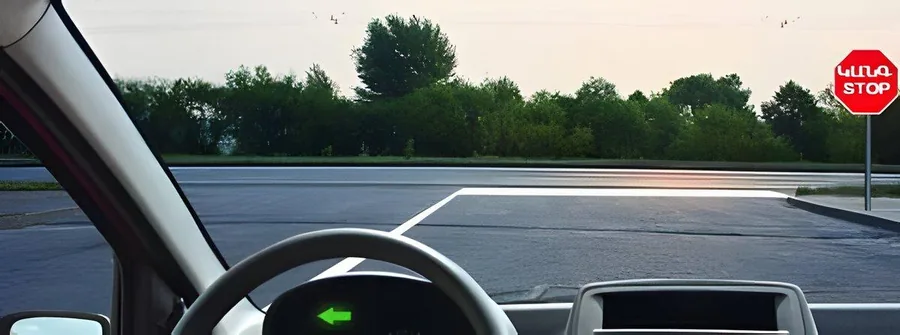
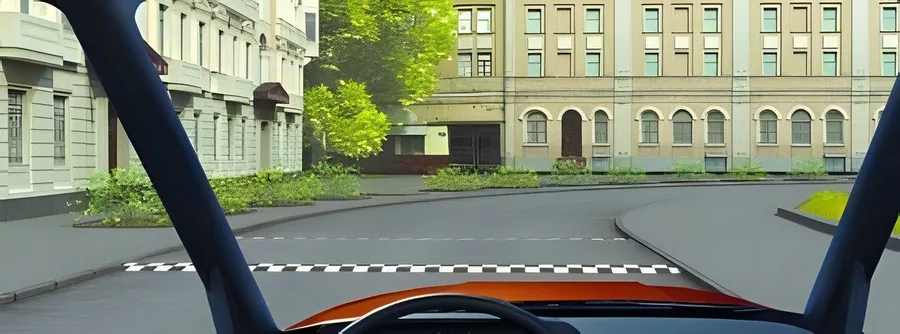
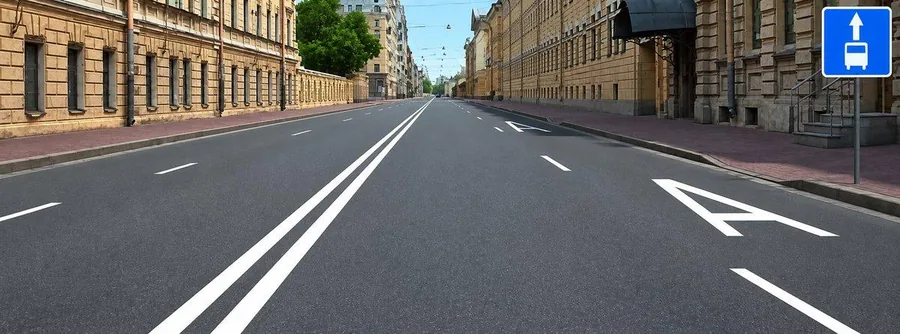
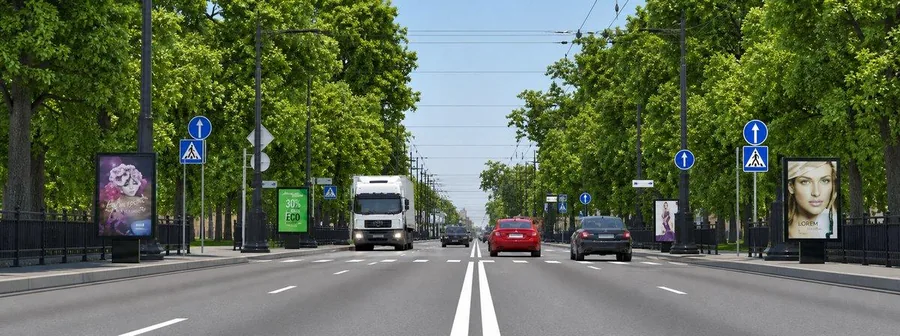
May you continue beyond the sign?
-
Yes.
-
Yes, up to the “Stop Line.”
(Correct answer)
-
No.
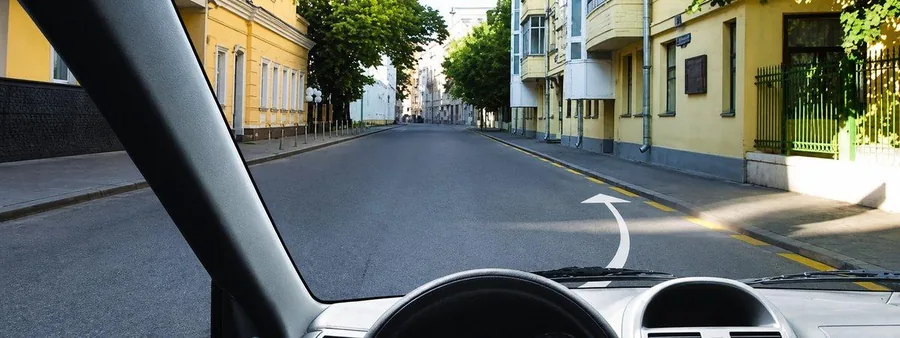
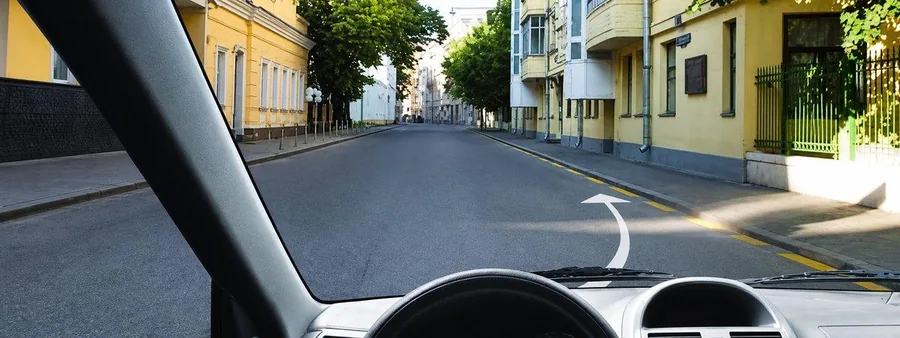
When orange and white pavement markings conflict, drivers:
-
May follow whichever pavement marking is more convenient.
-
Must follow the white pavement marking.
-
Must follow the orange pavement marking.
(Correct answer)
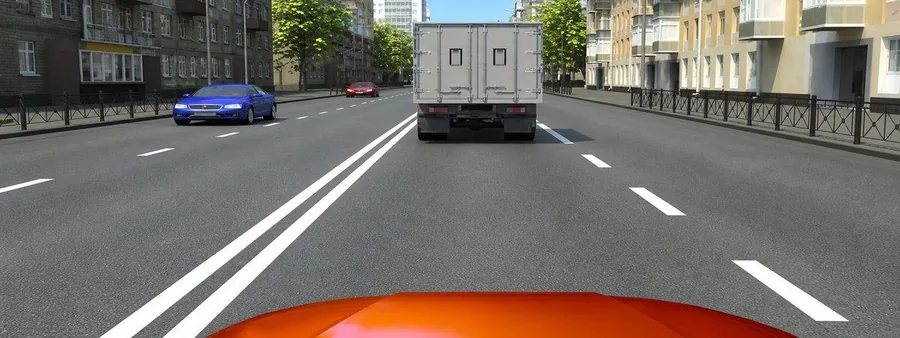
Which driver is permitted to cross the solid pavement marking when stopping?
-
Both drivers.
-
The driver proceeding from the opposite direction.
(Correct answer)
-
Neither driver is permitted.
Is stopping permitted at the indicated location?
-
For motorcycles only.
-
No.
-
Yes.
(Correct answer)
This pavement marking:
-
Indicates the boundaries of a Residential Zone.
-
Indicates a speed hump.
(Correct answer)
-
Prohibits further traffic.
This pavement marking prohibits:
-
Passing.
-
Driving around an obstruction.
-
Making a U-turn.
-
Traffic to the left of it or over it.
(Correct answer)
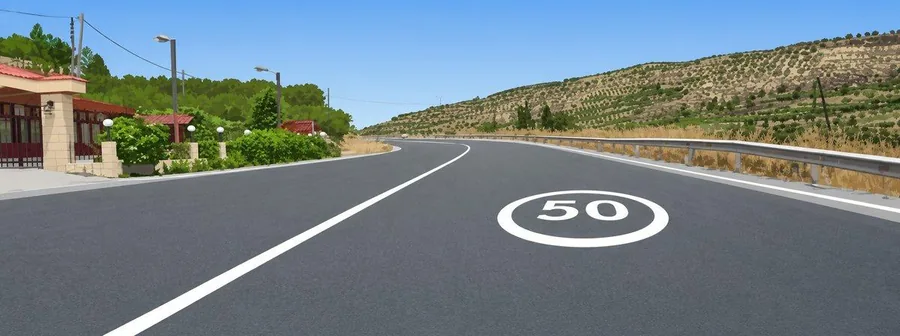
This pavement marking indicates:
-
The route or road number.
-
The recommended speed.
-
The maximum permitted speed on the indicated road section.
(Correct answer)
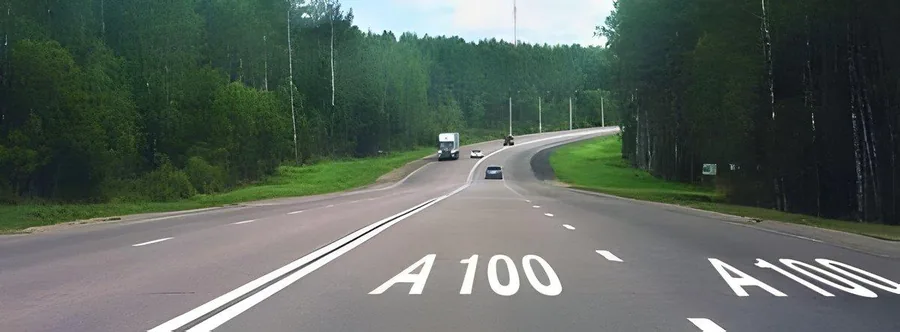
The marking applied to the roadway indicates:
-
The distance from the nearest intersection.
-
The distance from the nearest populated area.
-
The road or route number.
(Correct answer)
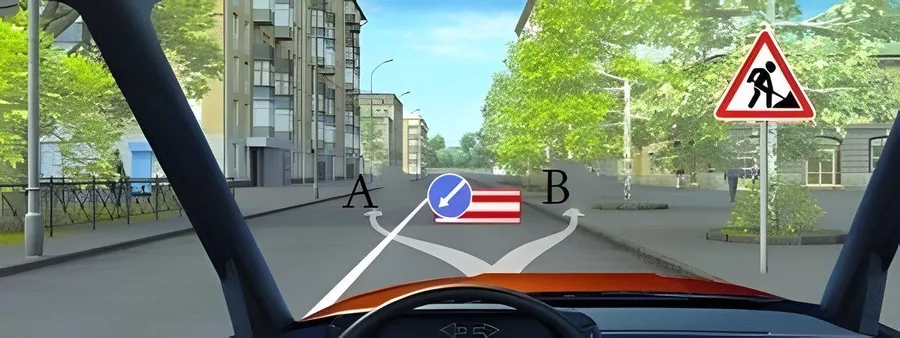
On which side may the obstruction be passed?
-
Only A.
(Correct answer)
-
Only B.
-
Either side.
Which vehicles may use the rightmost lane of this road?
-
Trolleybuses and public transit buses.
(Correct answer)
-
Trolleybuses and buses.
-
Buses only.
Is parking permitted at the indicated location?
-
Prohibited.
(Correct answer)
-
Only on the sidewalk.
-
Only for motorcycles.
-
Permitted.
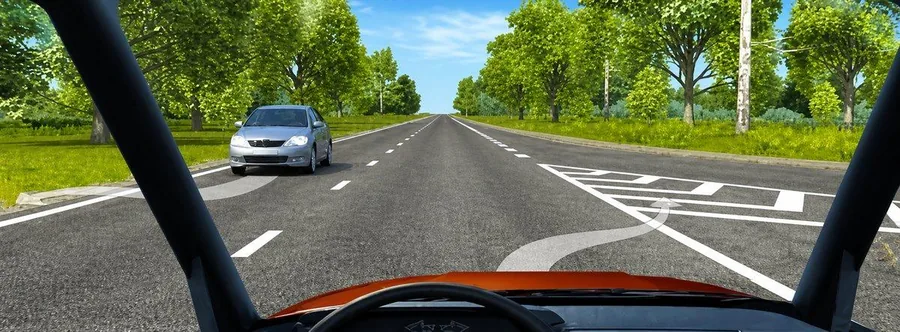
The increasing length of the broken pavement-marking segments indicates:
-
Approach to the end of the lane.
-
Approach to a dangerous road section.
-
That the pavement marking will soon become a solid line.
(Correct answer)
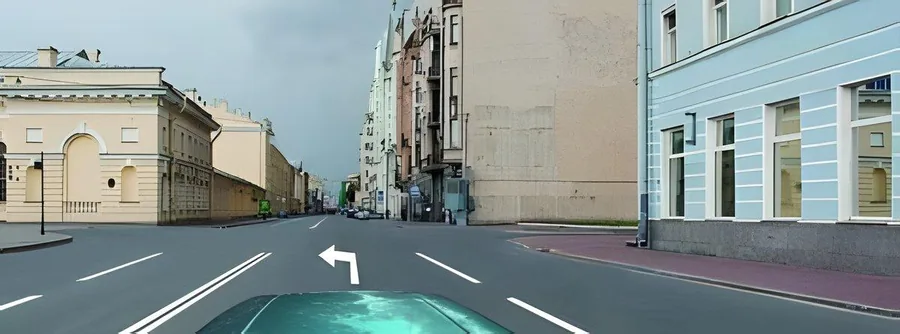
In the indicated situation, proceeding straight ahead is:
-
Prohibited.
-
Permitted.
-
Permitted after changing to the right lane.
(Correct answer)
How many traffic lanes does this road have?
-
Two.
-
Four.
(Correct answer)
Where are passengers permitted to wait for public transit vehicles?
-
Only on raised boarding areas, or, if none are provided, on sidewalks or shoulders.
(Correct answer)
-
At the edge of the roadway if the vehicle is already visible in the distance.
-
In both cases.
When are passengers permitted to enter the roadway in order to board a public transit vehicle?
-
When the vehicle approaches the stop and slows down.
-
Only after the vehicle has come to a complete stop.
(Correct answer)
-
When the vehicle doors open.
When must a passenger leave the roadway after getting off a public transit vehicle?
-
When the vehicle starts moving.
-
When the driver of the vehicle closes the doors.
-
Immediately.
(Correct answer)
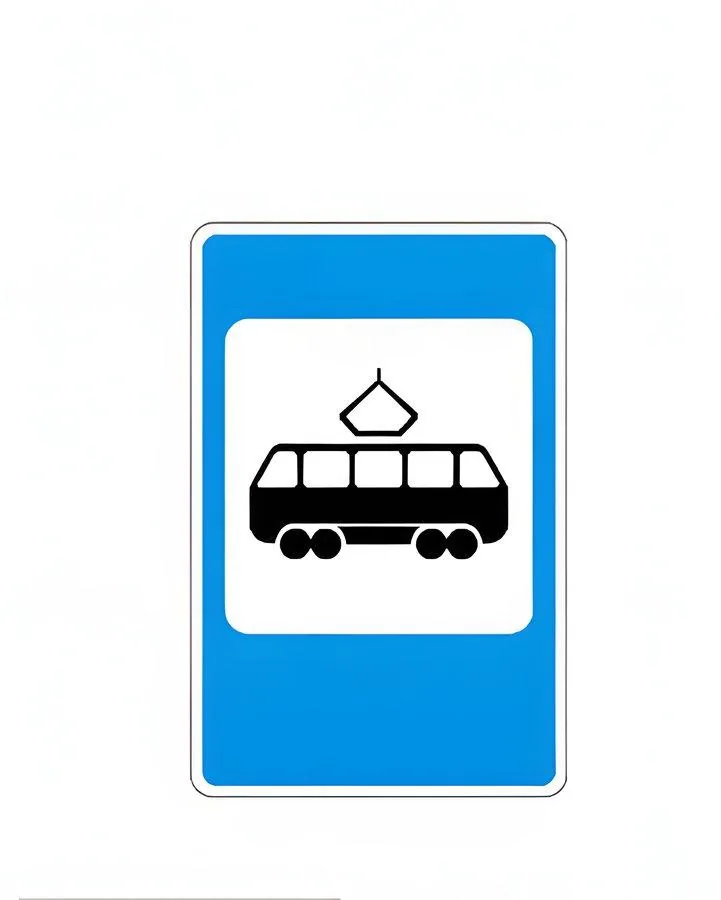
Is a trolleybus driver permitted to stop at a stop marked with the “Tram Stop” sign?
-
Permitted if no tram is present at the time and the trolleybus does not interfere with the movement of other vehicles.
-
Permitted only if the tram tracks are located at the right edge of the road in the direction of trolleybus travel.
-
Prohibited.
(Correct answer)
-
Permitted in all cases.
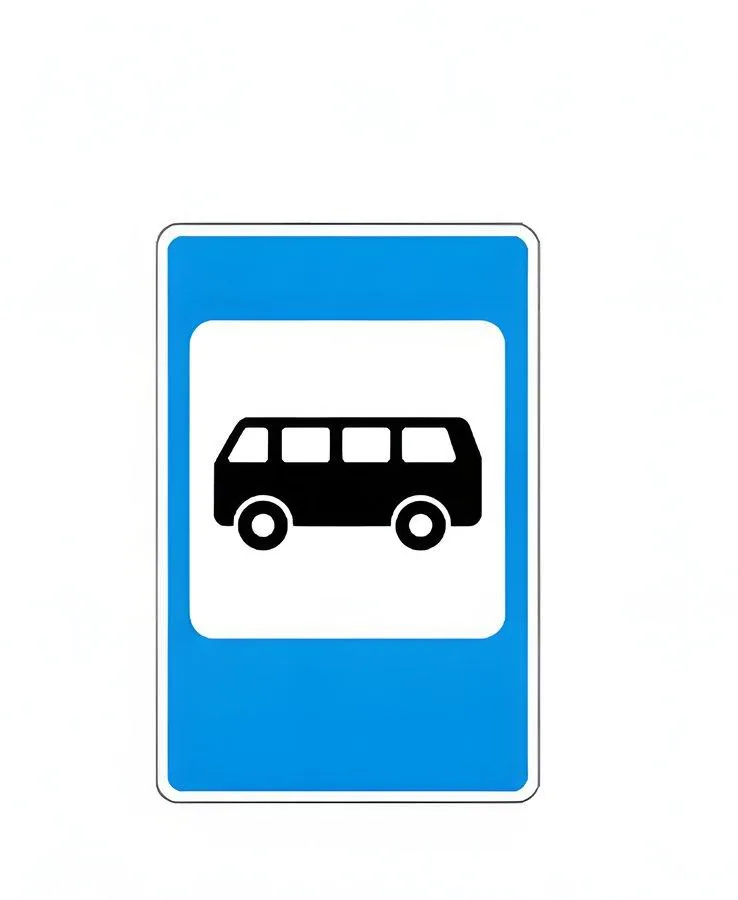
Is a trolleybus driver permitted to stop at a stop marked with this sign?
-
Prohibited, because it is intended only for buses.
-
Permitted.
(Correct answer)
-
At the driver’s discretion.
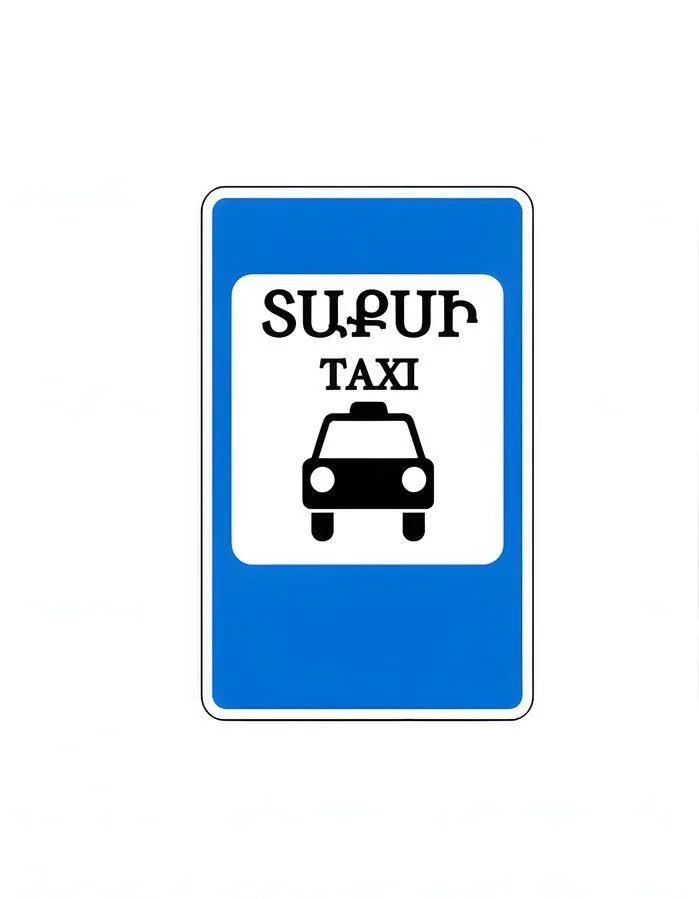
Are drivers of other vehicles permitted to park in an area marked with the “Taxi Stand” sign?
-
Permitted only at night, when taxi traffic is light.
-
Prohibited.
(Correct answer)
-
Permitted only on Saturdays, Sundays, and holidays.