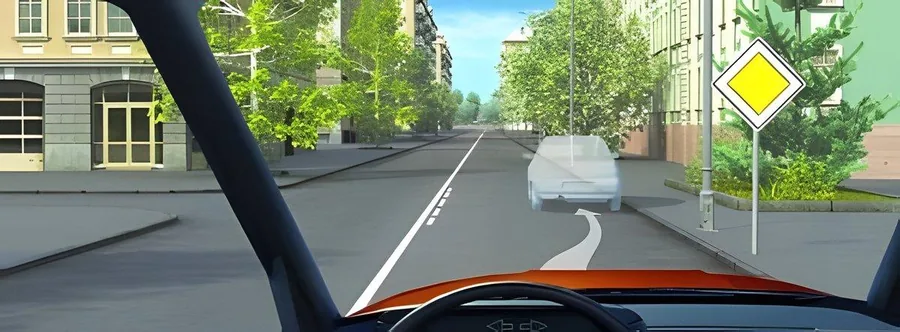
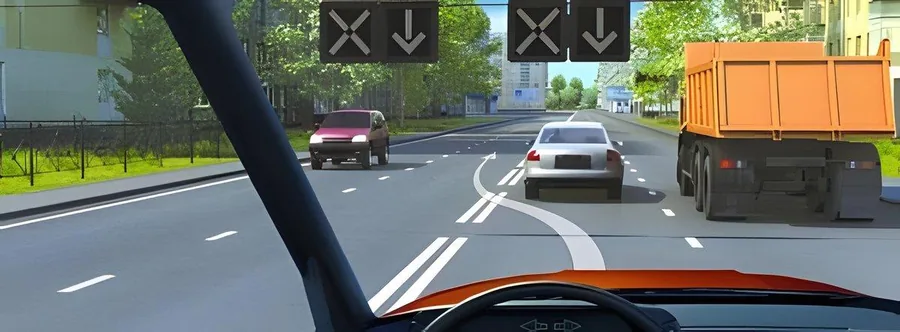
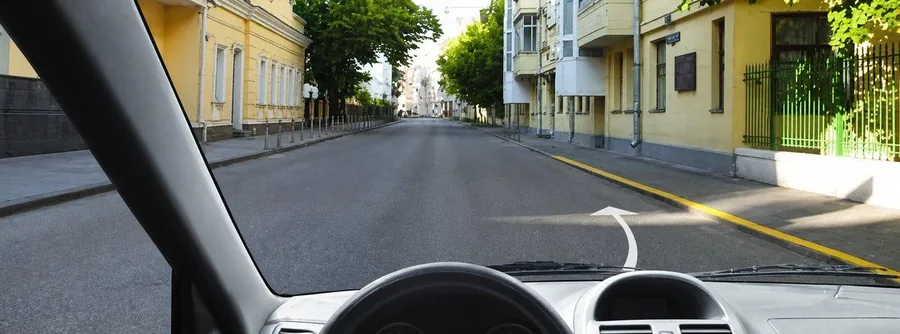
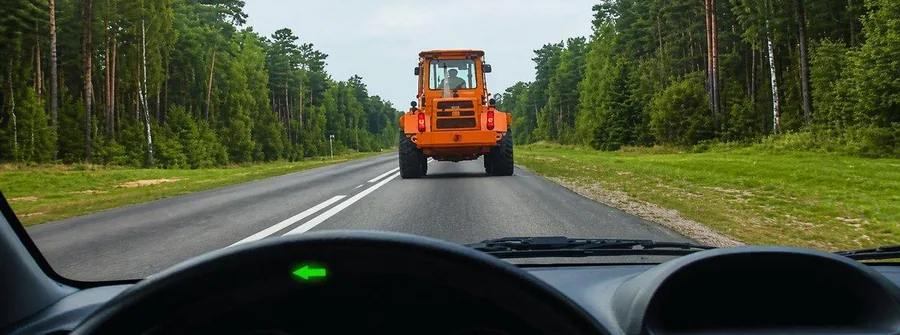
Is stopping permitted at the indicated location?
-
Yes.
-
No.
(Correct answer)
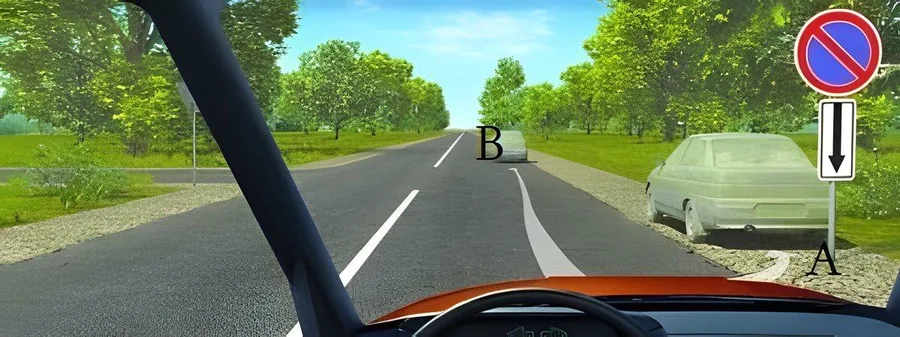
At which of the indicated locations is stopping permitted?
-
Only A.
(Correct answer)
-
Only B.
-
At any of the locations.
Stopping at the indicated location is:
-
Permitted.
-
Permitted for the purpose of picking up a passenger.
-
Prohibited.
(Correct answer)
In which of the indicated cases is stopping permitted?
-
Only C.
-
Only B and C.
-
In all cases.
(Correct answer)
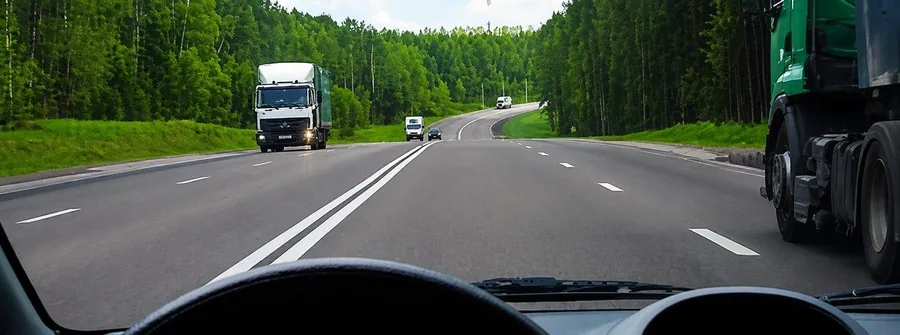
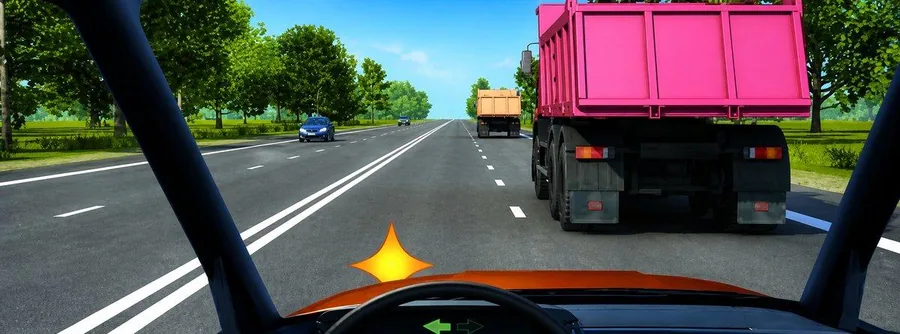
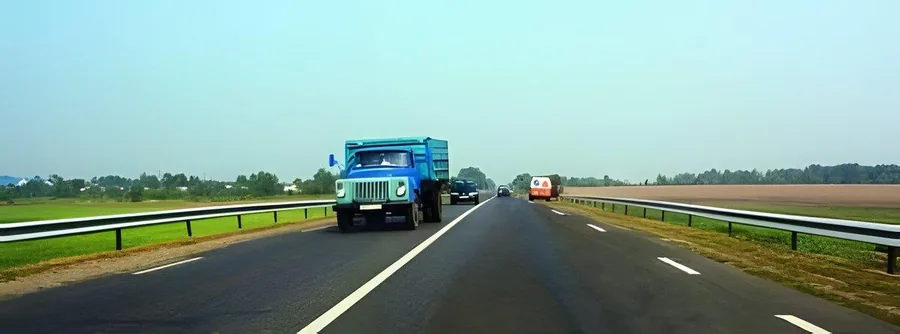
After passing the truck, is it permitted to continue in this lane?
-
Yes.
-
No.
(Correct answer)
In this situation, is it permitted to continue in the occupied lane?
-
Yes.
(Correct answer)
-
No.
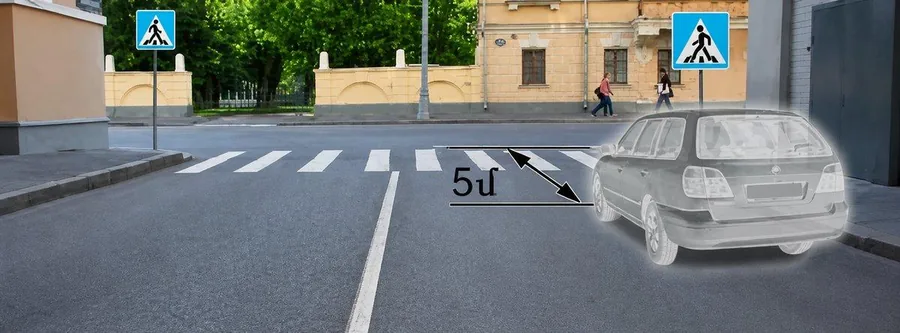
Stopping at the indicated location is:
-
Permitted.
-
Permitted if the distance from the vehicle to the pavement marking is more than 3 meters.
-
Prohibited.
(Correct answer)
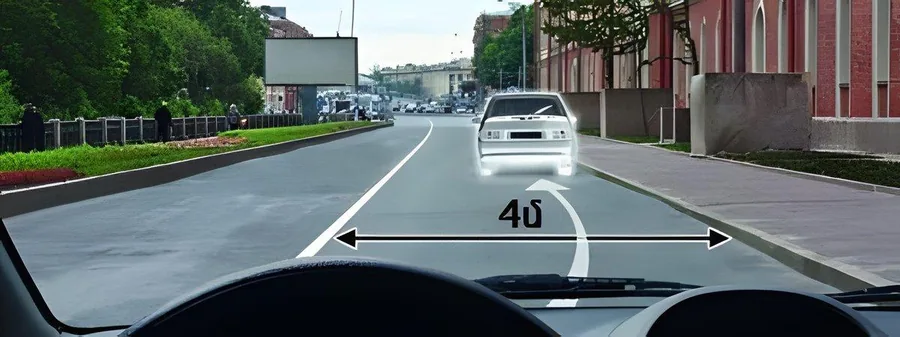
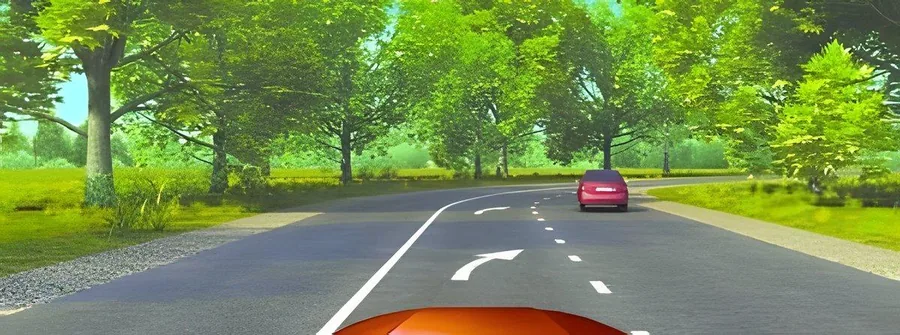
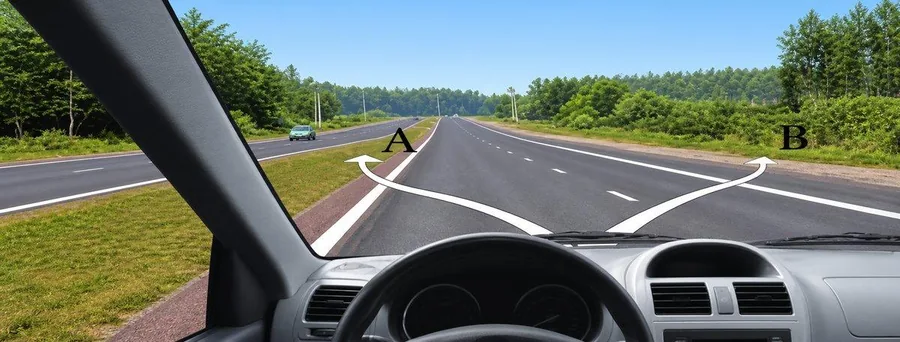
This pavement marking indicates:
-
Right-of-way when changing lanes.
-
Approach to a curved section of road.
-
Approach to the end of the lane.
(Correct answer)
What does this pavement marking indicate?
-
Approach to the “Stop Line” at a signal-controlled intersection.
-
Approach to the “Stop Line” pavement marking when it is used together with a “STOP” sign.
(Correct answer)
-
Approach to a barrier gate.
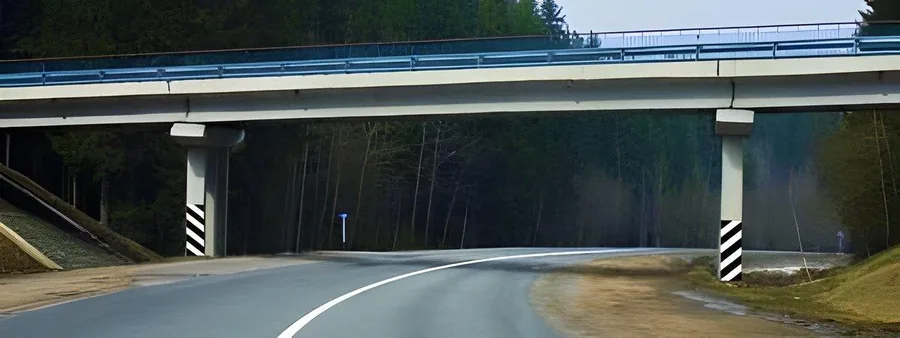
Vertical markings on barriers indicate:
-
Approach to a railroad crossing.
-
Approach to a dangerous intersection.
-
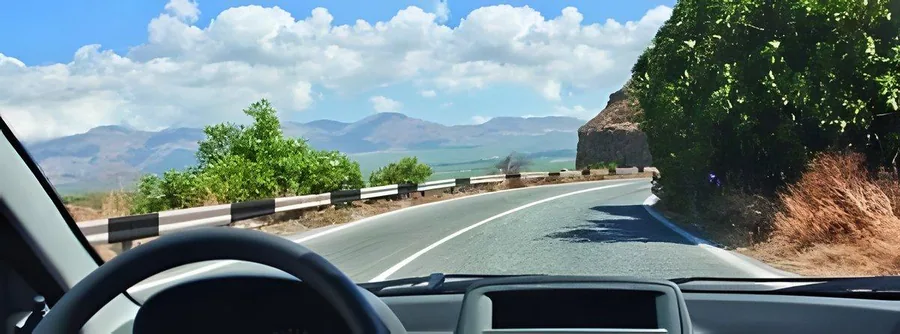
Movement along a dangerous section of road.
(Correct answer)
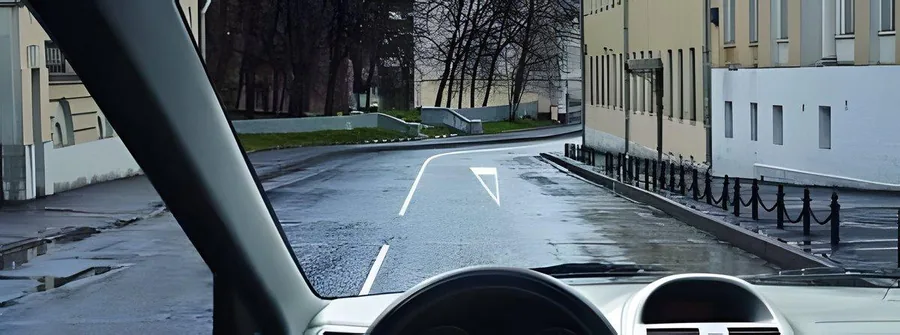
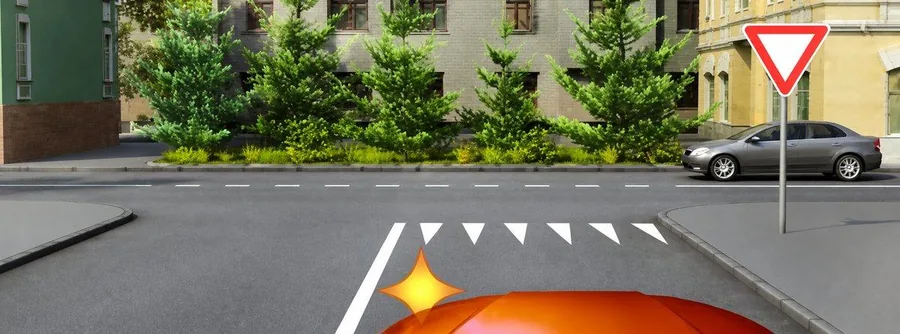
This triangular pavement marking indicates:
-
Approach to a dangerous turn.
-
Approach to a location where drivers must yield.
(Correct answer)
-
Approach to a location where vehicles must stop.
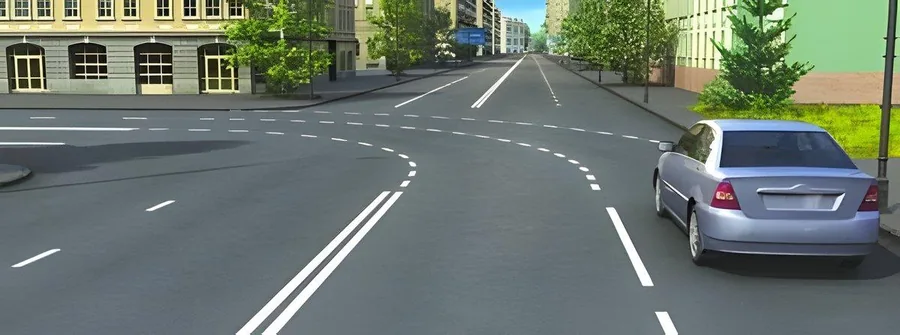
These broken pavement markings within the intersection indicate:
-
Permitted directions of traffic.
-
Traffic lanes within the intersection.
(Correct answer)
With this pavement marking, passing is:
-
Permitted.
(Correct answer)
-
Prohibited.
-
Permitted only when passing tractors.
This vertical pavement marking:
-
Marks all vertical elements adjacent to the roadway.
-
Marks only those elements of road structures that present a hazard to drivers.
(Correct answer)
With this pavement marking, may you enter the intersection if doing so does not interfere with the passenger-car driver?
-
Yes.
-
No.
(Correct answer)
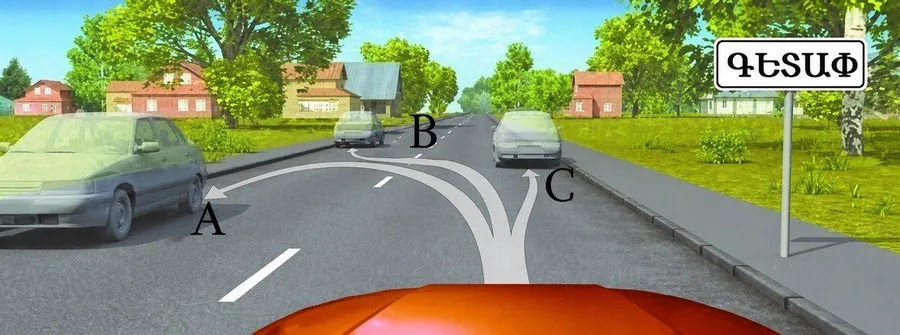
In which case is it permitted to cross the solid pavement marking?
-
Only B, when stopping.
(Correct answer)
-
In neither case.
-
In both cases, when stopping.
What does the broken pavement marking indicate?
-
The right to stop on the shoulder.
-
The edges of the roadway on a two-lane road.
(Correct answer)
-
The right to proceed on the shoulder.
In this situation, proceeding along this path is:
-
Permitted only when passing.
-
Permitted.
-
Prohibited.
(Correct answer)
Is parking permitted at the indicated location?
-
Permitted.
-
Permitted without driving onto the sidewalk.
-
Prohibited.
(Correct answer)
With this pavement marking, passing is:
-
Permitted.
-
Permitted if the vehicle ahead is a slow-moving vehicle.
-
Prohibited.
(Correct answer)