2
Under bridges, elevated roadways, and overpasses.
3
In all of the listed cases.
(Correct answer)
2
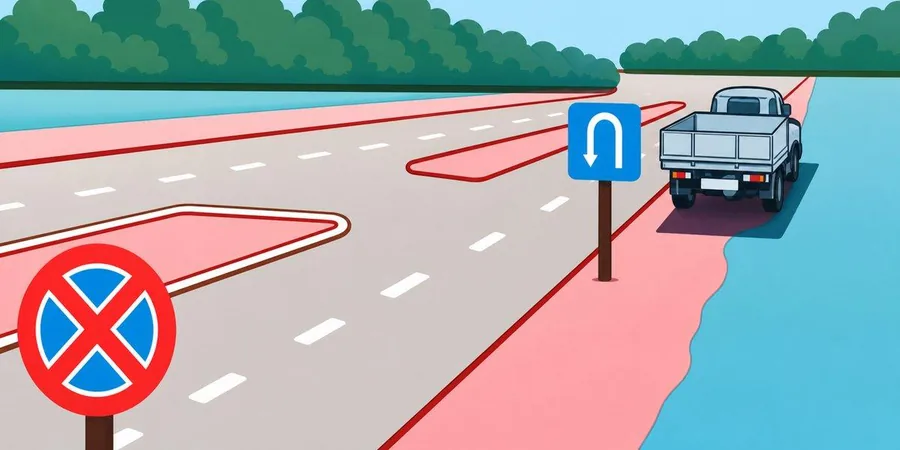
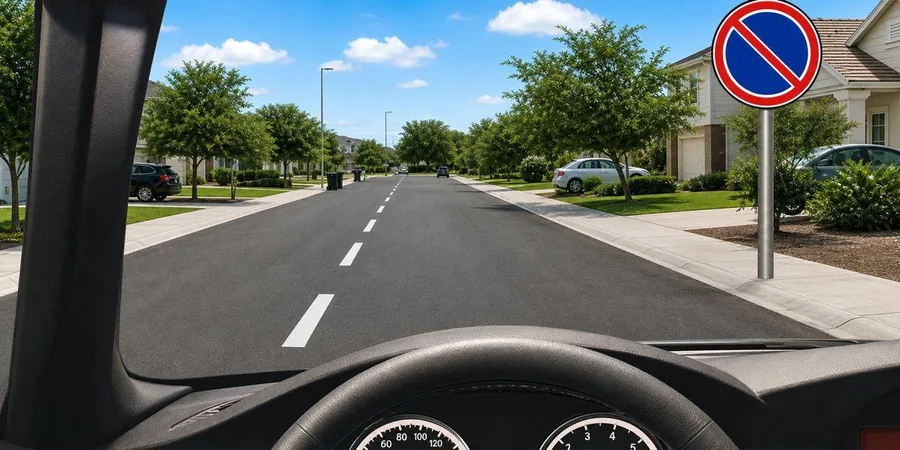
Is it permitted to drop off a passenger at a location where a solid yellow line is marked on the upper surface of the curb and a “No Stopping” sign is posted?
1
Permitted.
2
Prohibited.
(Correct answer)
3
Permitted if no public transit vehicles are present.
4
Permitted only for public transit vehicles.
3
Does the prohibitory sign apply to the section of road where the driver has stopped?
1
Yes.
(Correct answer)
2
No.
4
Within what distance of a railroad crossing is parking prohibited?
1
300 m.
2
150 m.
3
100 m.
4
50 m.
5
25 m.
(Correct answer)
5
In this situation, is stopping to drop off a passenger permitted?
1
Permitted if it does not interfere with the movement of public transit vehicles.
(Correct answer)
2
Prohibited.
6
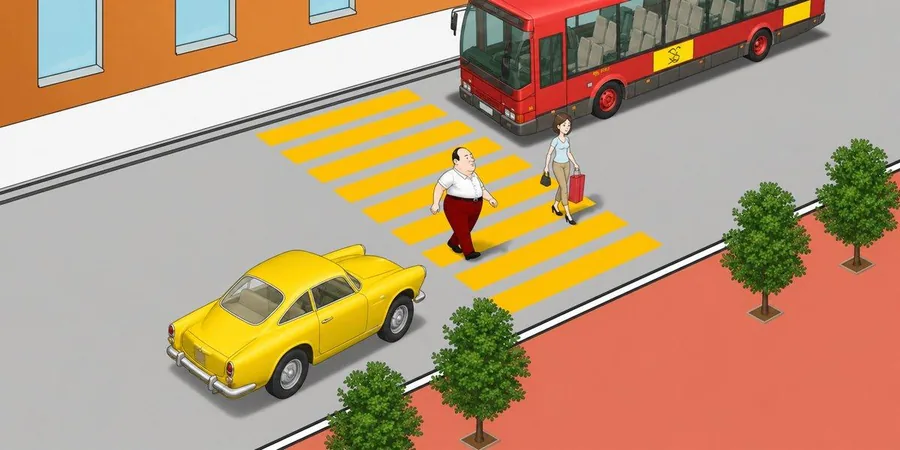
Which driver is required to stop?
1
The passenger-car driver.
(Correct answer)
2
The bus driver.
3
Both drivers.
7
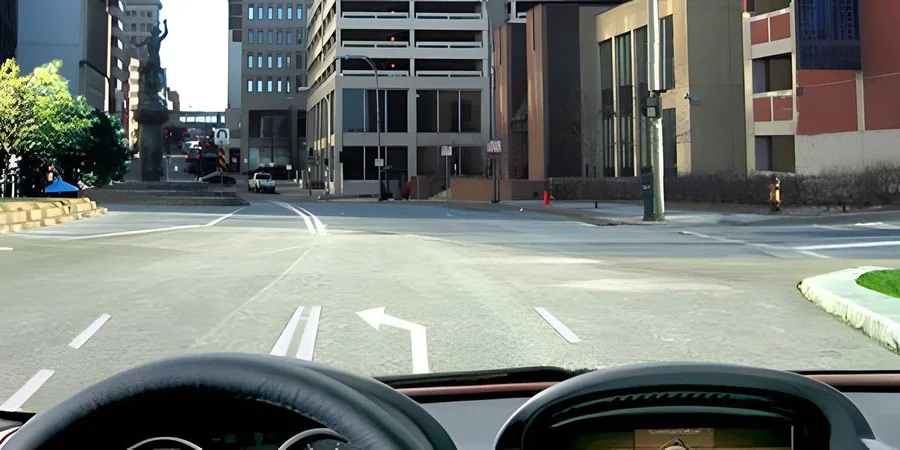
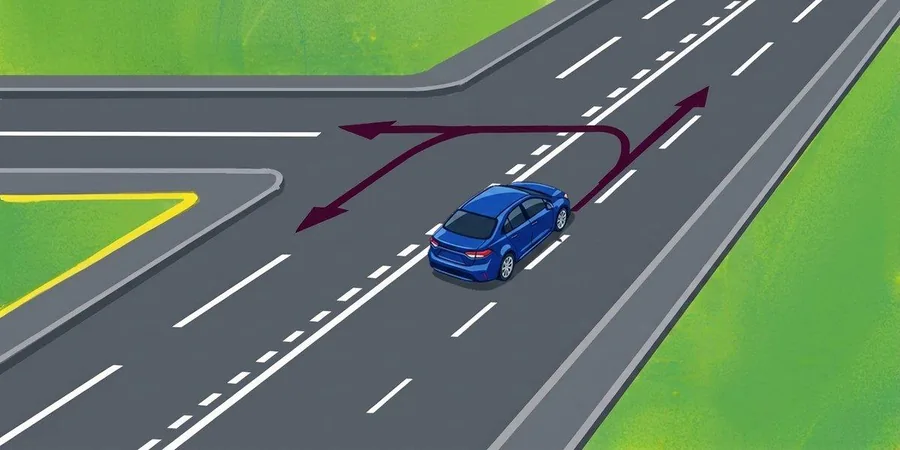
This pavement marking permits traffic:
1
To the left only.
2
To the left and by making a U-turn.
(Correct answer)
3
By making a U-turn only.
4
Straight ahead, to the left, and by making a U-turn.
8
Which vehicles are permitted to park within the area where this traffic sign is in effect?
1
Only public transit vehicles.
2
Vehicles driven by persons with disabilities and taxis with the taximeter activated.
(Correct answer)
9
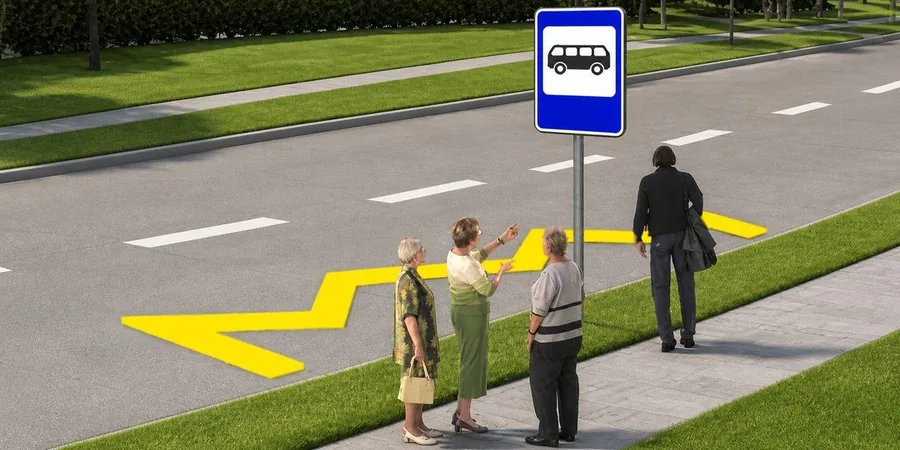
What does this pavement marking indicate?
1
A place for picking up and dropping off passengers.
2
A public transit vehicle stop.
(Correct answer)
3
A public transit vehicle stop and taxi parking area.
10
What does the solid yellow horizontal pavement marking indicate?
1
A location where stopping and parking of vehicles are prohibited.
(Correct answer)
2
A location where stopping is permitted to drop off passengers or unload the vehicle.
3
A location where parking of vehicles is prohibited.
11
Is the driver permitted to cross the solid pavement marking that indicates the boundaries of vehicle parking spaces?
1
Prohibited.
2
Permitted.
(Correct answer)
12
In which direction or directions indicated by the arrows is traffic permitted?
1
Straight ahead only.
(Correct answer)
2
To the left and by making a U-turn.
3
Straight ahead, to the left, and by making a U-turn.
13
What does this pavement marking indicate?
1
A pedestrian crossing where traffic is controlled by a traffic signal.
2
A location where a bicycle path crosses the roadway.
(Correct answer)
3
A location where a pedestrian path crosses the roadway.
14
How many lanes does a road have when traffic flows in opposite directions are separated by double solid lines?
1
Two lanes.
2
Two or three lanes.
3
Three lanes.
4
Four or more lanes.
(Correct answer)
15
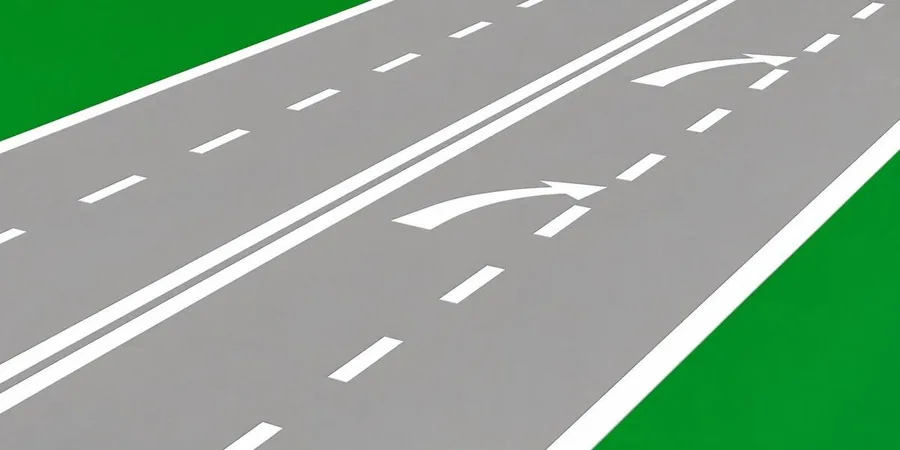
What do the arrows marked on the roadway warn about?
1
They warn the driver of an approaching hazardous section of road.
2
They warn of an approaching end of the traffic lane.
(Correct answer)
3
They indicate the direction of a hazardous turn in the road.
16
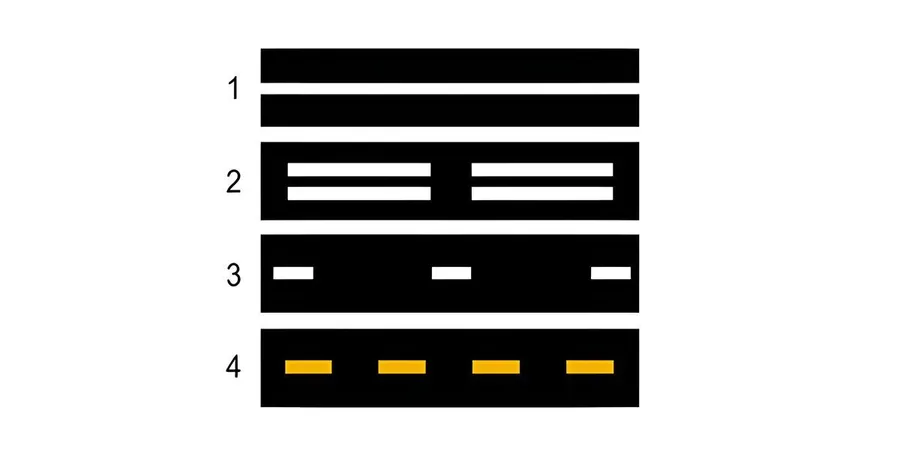
Which of these pavement-marking lines is used to designate lanes with reversible traffic?
1
Line 1.
2
Line 2.
(Correct answer)
3
Line 3.
4
Lines 2 and 3.
5
Lines 3 and 4.
17
Where is the solid yellow line indicating locations where stopping and parking are prohibited marked?
1
On the roadway.
2
Near the edge of the roadway.
3
Near the edge of the roadway or on the upper surface of the curb.
(Correct answer)
4
Only on the upper surface of the curb.
18
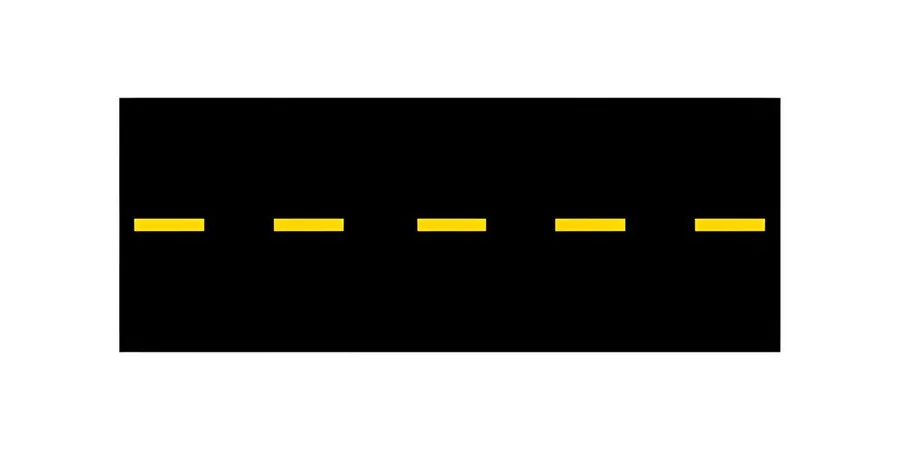
With which traffic sign may a broken yellow pavement marking be used?
1
“No Stopping.”
2
“No Parking.”
(Correct answer)
3
“No Parking on Odd-Numbered Days of the Month.”
19
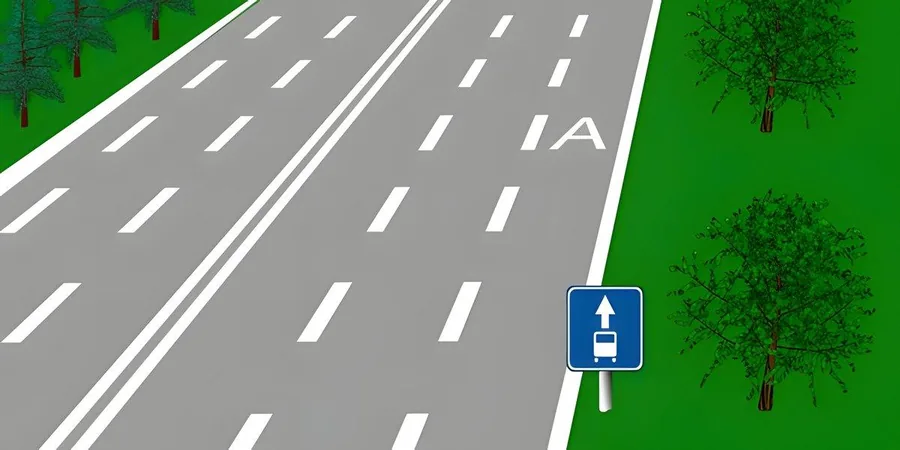
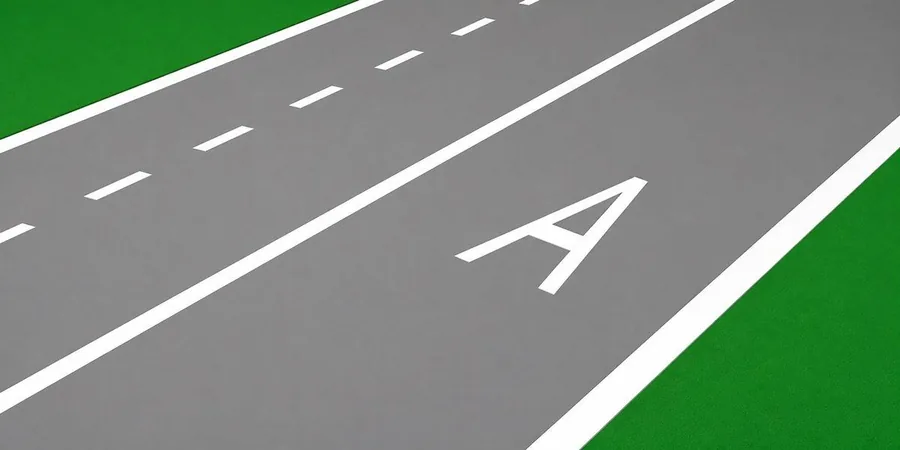
Which vehicles are permitted to proceed in the right lane of the roadway?
1
All motor vehicles.
2
Public transit vehicles and taxis.
3
Bicycles only.
4
Public transit vehicles only.
(Correct answer)
20
This pavement marking has the following meaning:
1
It indicates curbside parking spaces where the positioning of motor vehicles is specified.
2
It indicates locations where stopping of motor vehicles is prohibited.
3
It indicates public transit vehicle stops and taxi parking areas.
(Correct answer)