Is driving instruction permitted in residential zones?
1
Permitted.
2
Permitted only during daylight hours.
3
Permitted only if the speed of the learner vehicle does not exceed 20 km/h.
4
Prohibited.
(Correct answer)
142
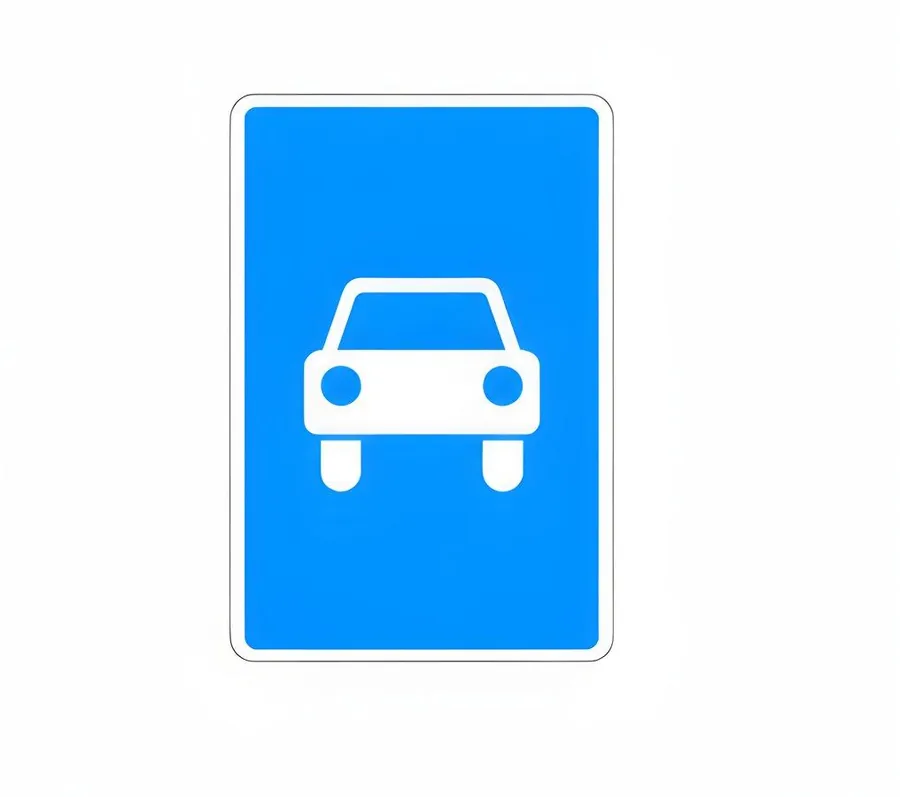
Is driving instruction permitted on roads marked with the “Road for Motor Vehicles” sign?
1
Permitted only under light-traffic conditions.
2
Permitted only during daylight hours.
3
Prohibited.
(Correct answer)
143
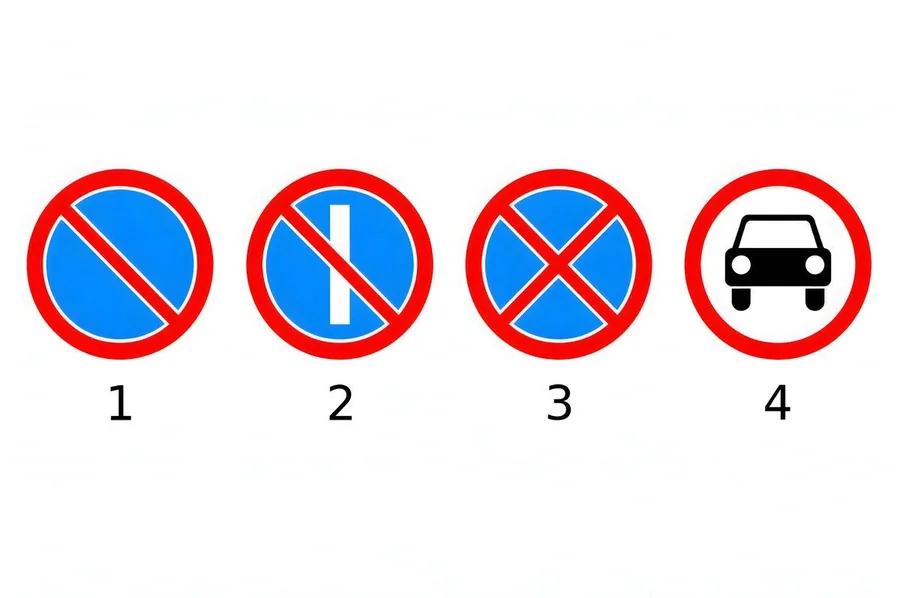
Which road signs apply to public transit vehicles?
1
1, 3, and 4.
2
2, 3, and 4.
3
1, 2, and 3.
(Correct answer)
144
Is it permitted to cross a solid line separating traffic flows by entering the oncoming traffic lane?
1
Permitted on roads outside populated areas for the purpose of making a left turn or U-turn.
2
Prohibited.
(Correct answer)
3
Permitted only on illuminated road sections and during daylight hours.
145
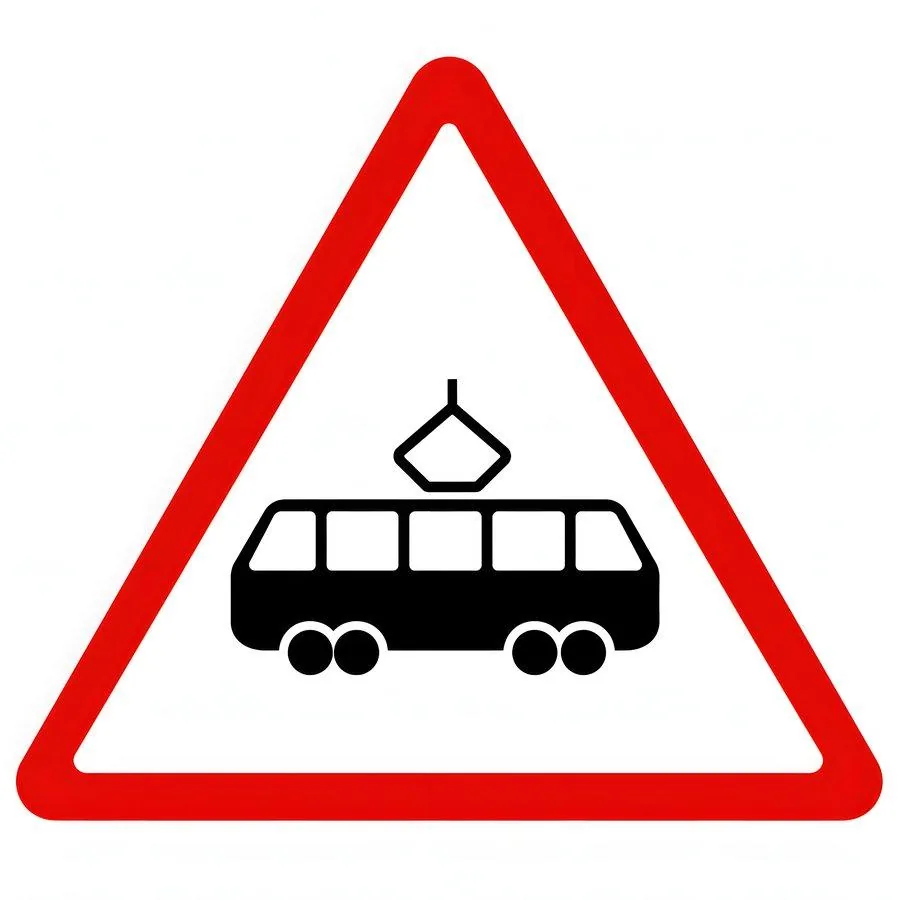
What does this sign warn of?
1
Approaching a trolleybus and tram stop.
2
Approaching a designated lane for public transit buses.
3
Approaching an intersection with tram tracks.
(Correct answer)
146
In residential zones and yard areas, the following is prohibited:
1
Through traffic by buses.
2
Parking buses with the engine running.
3
Driving instruction.
4
In all of the listed cases.
(Correct answer)
147
Is this pavement marking used to indicate the boundaries of vehicle parking spaces?
1
Yes.
(Correct answer)
2
No.
148
What does this pavement marking indicate?
1
The boundaries of traffic lanes at hazardous sections of road.
(Correct answer)
2
The lines separating all lanes of traffic proceeding in the same direction.
149
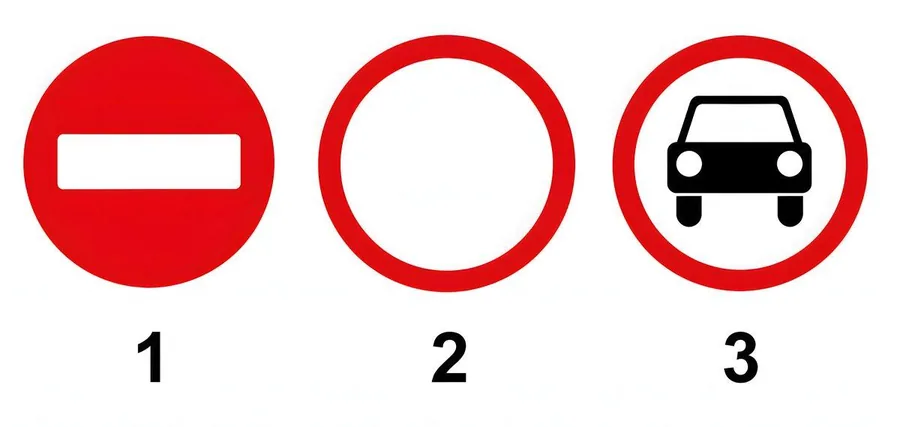
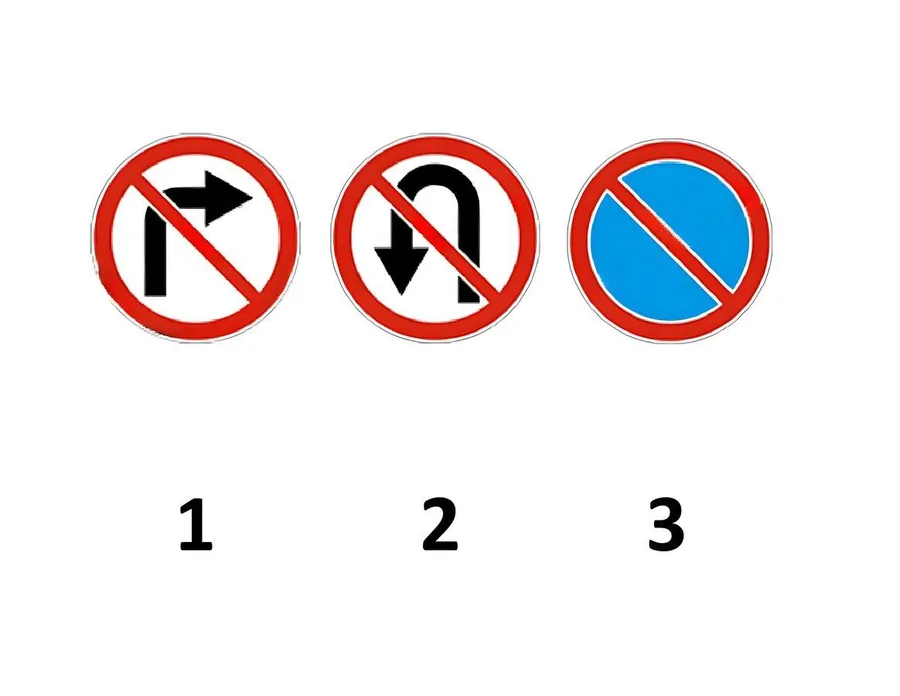
Which of these signs does not apply to public transit vehicles?
1
1 and 3.
2
2 and 3.
3
None of them.
(Correct answer)
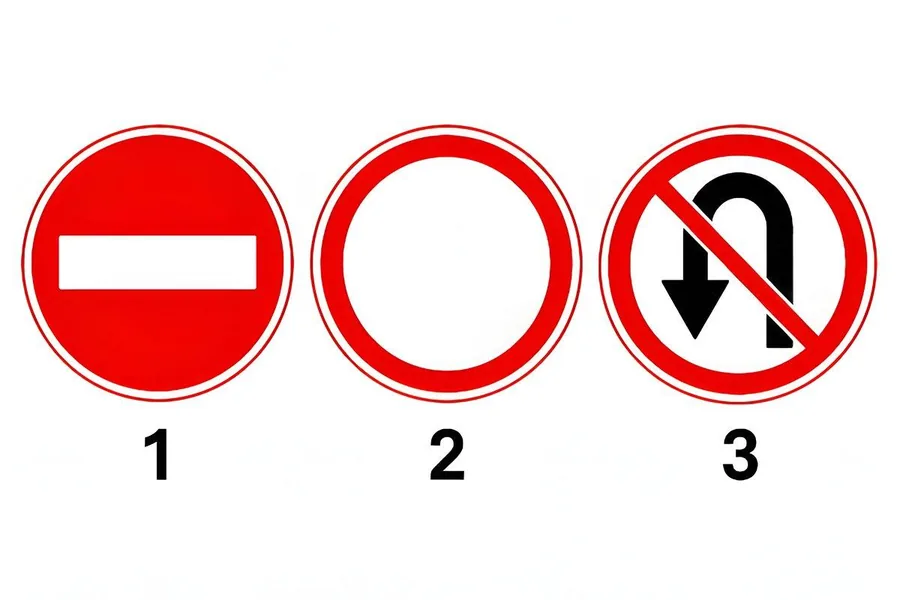
150
Which of these signs does not apply to public transit buses?
1
None of them.
(Correct answer)
2
2 and 3.
3
1 and 3.
151
Which of these signs applies to public transit vehicles?
1
1.
2
2.
3
3.
(Correct answer)
4
All of them.
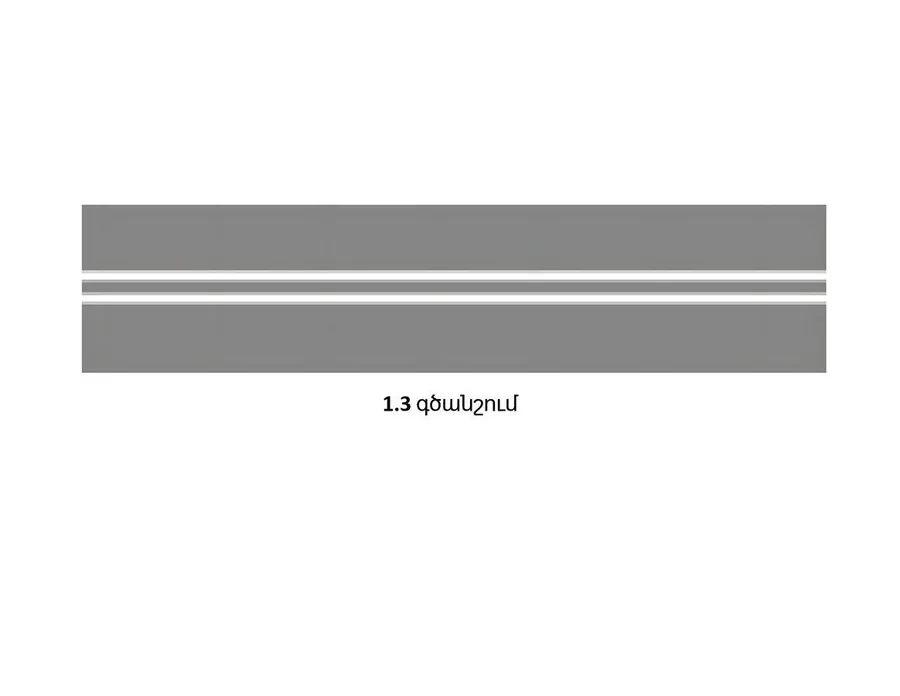
152
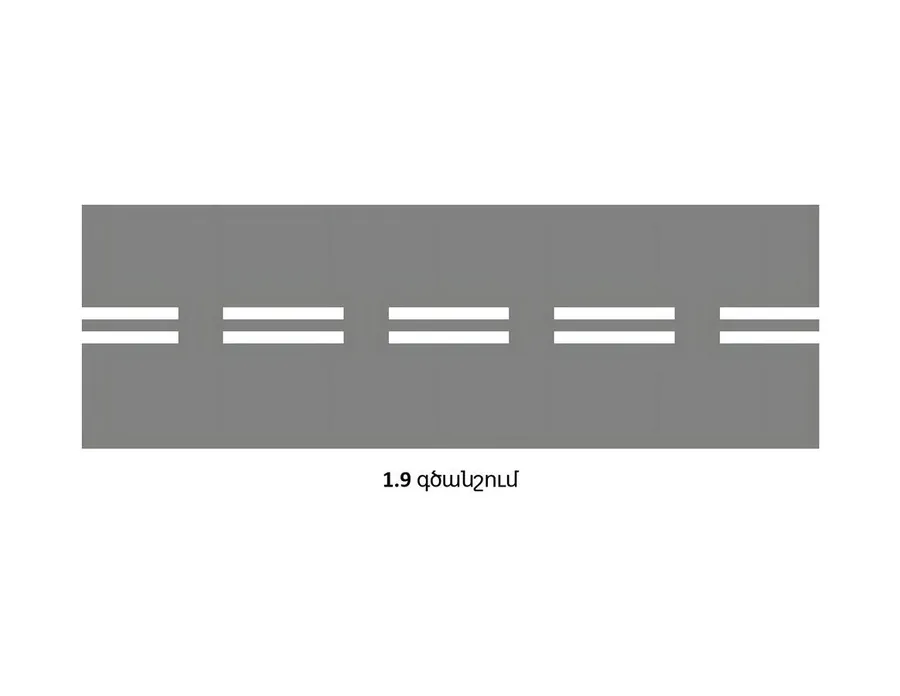
What does this horizontal pavement marking separate?
1
The public transit vehicle lane from the remaining lanes of the roadway.
2
On roads with four or more traffic lanes, it separates traffic flows moving in opposite directions.
(Correct answer)
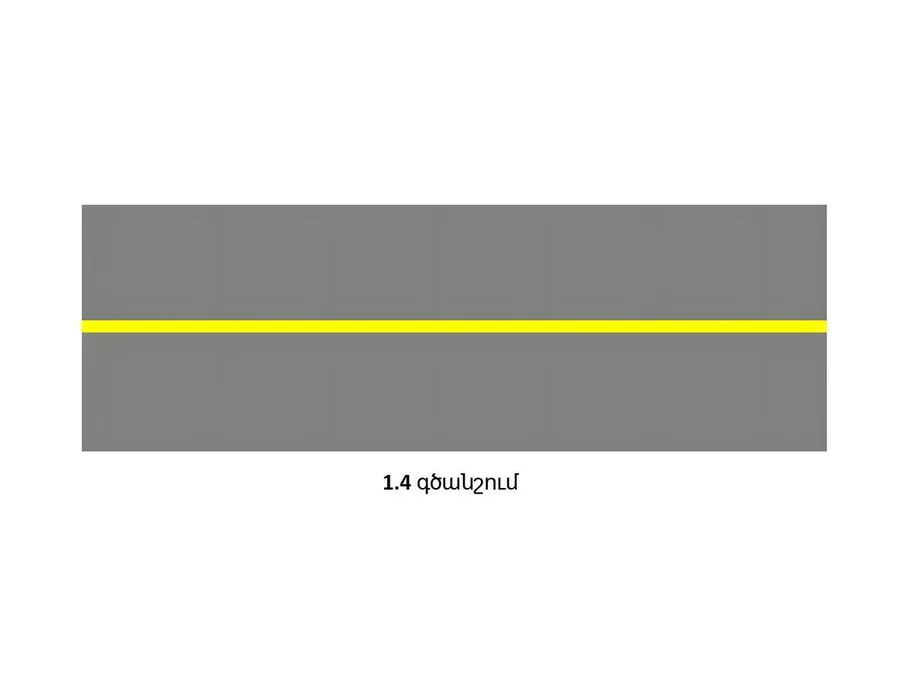
153
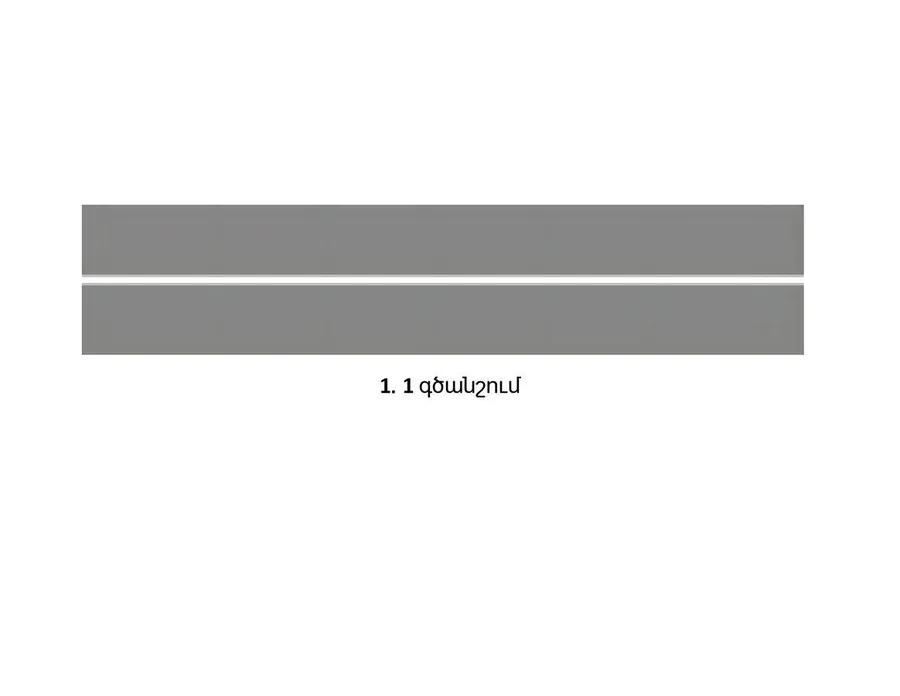
What does this solid yellow line indicate?
1
The boundaries of a special free parking area intended for electric and hybrid vehicles.
2
A location where vehicle stopping and parking are prohibited.
(Correct answer)
154
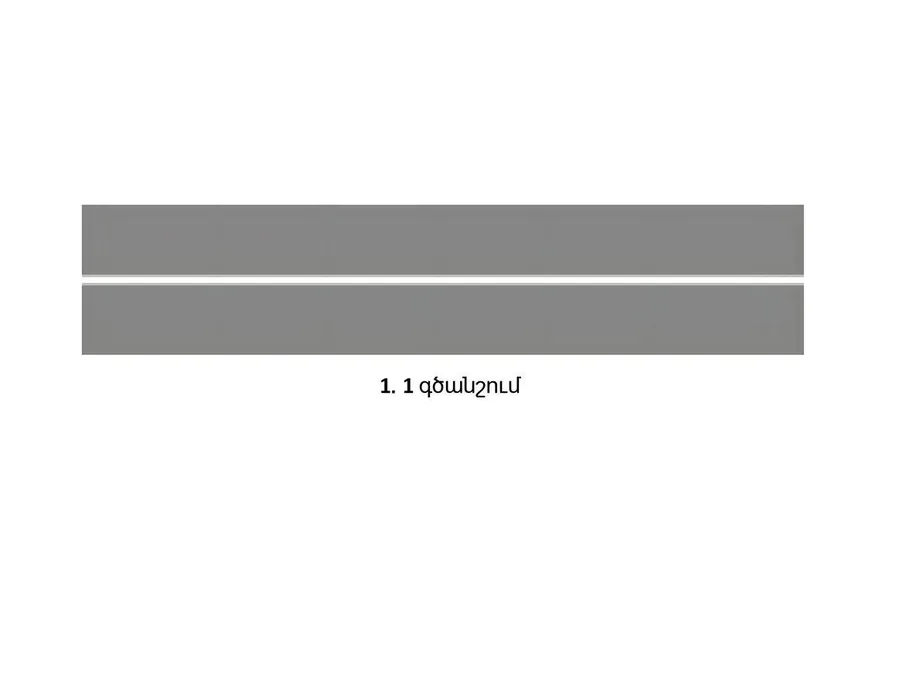
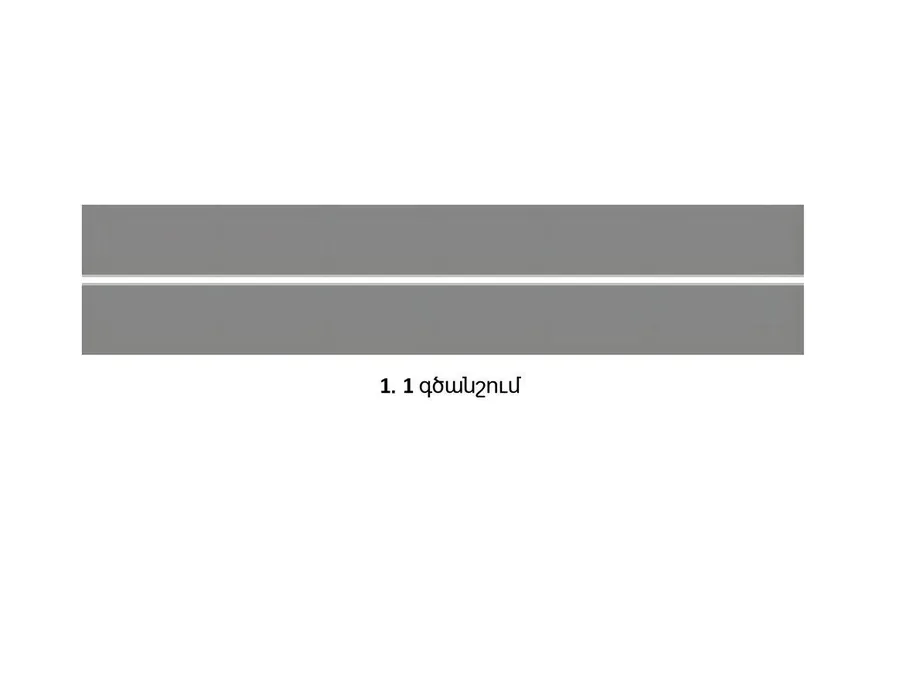
What does this line separate?
1
On roads with two or three traffic lanes, it separates traffic flows moving in opposite directions (center line); on roads with two or more lanes in one direction, it indicates the boundaries of traffic lanes.
(Correct answer)
2
It separates the roadway of a one-way road from the shoulder.
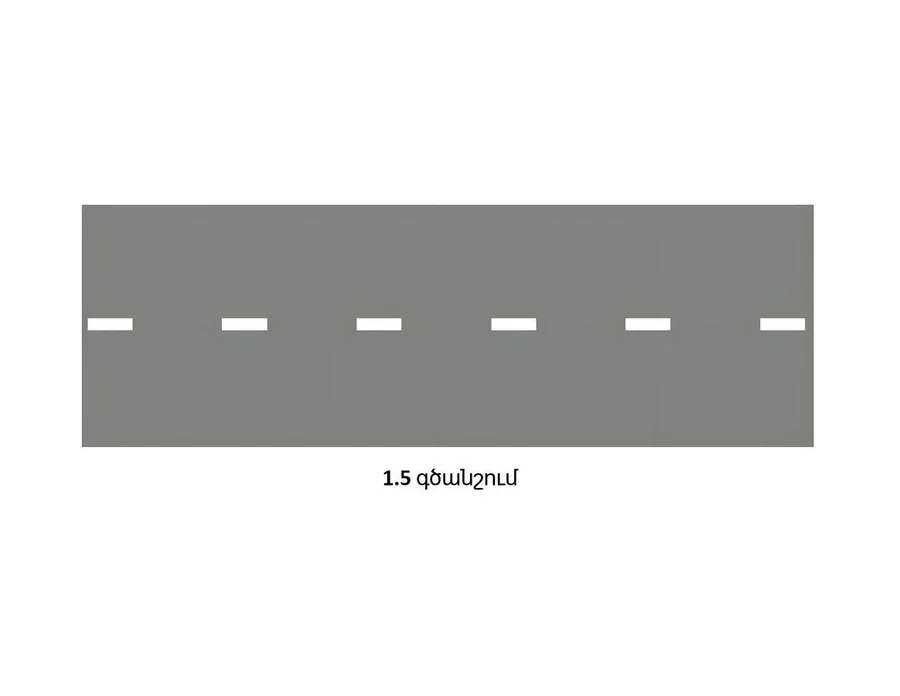
155
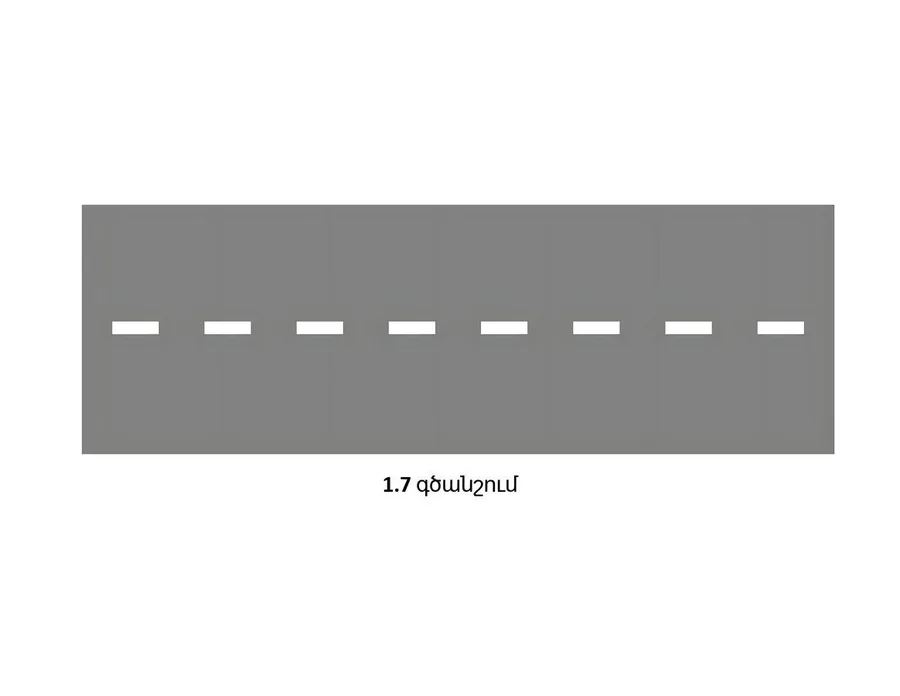
What does this broken line indicate (the length of the dashes and the spaces between them are equal)?
1
The boundary between the main roadway and an acceleration or deceleration lane.
2
It indicates traffic lanes within an intersection.
(Correct answer)
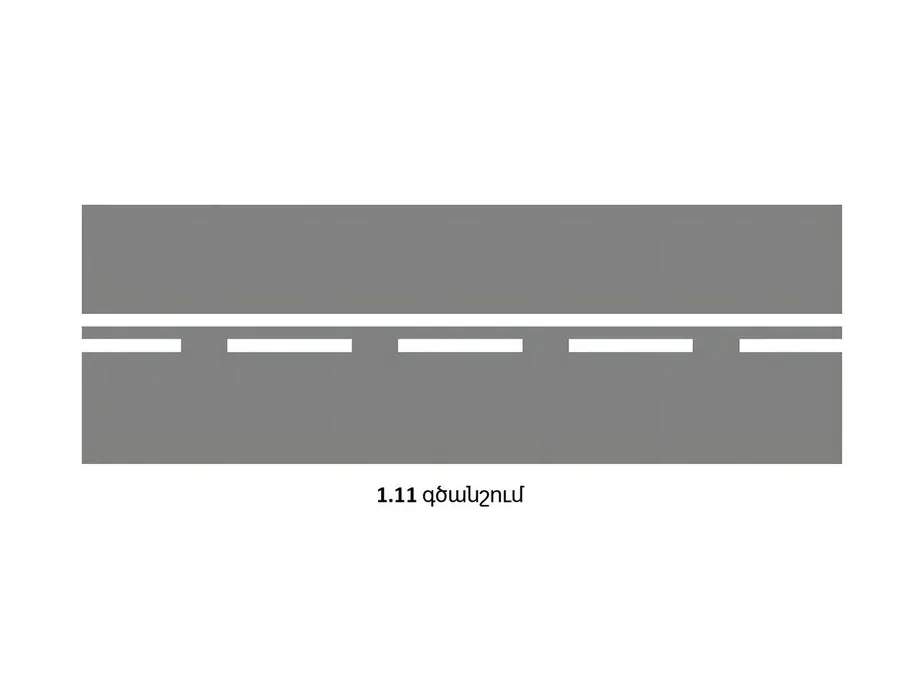
156
What does the combination of a solid and a broken line indicate?
1
Locations for making U-turns, entrances to and exits from adjacent areas, and similar places where traffic is permitted in only one direction.
(Correct answer)
2
A location where traffic flows moving in different directions merge.
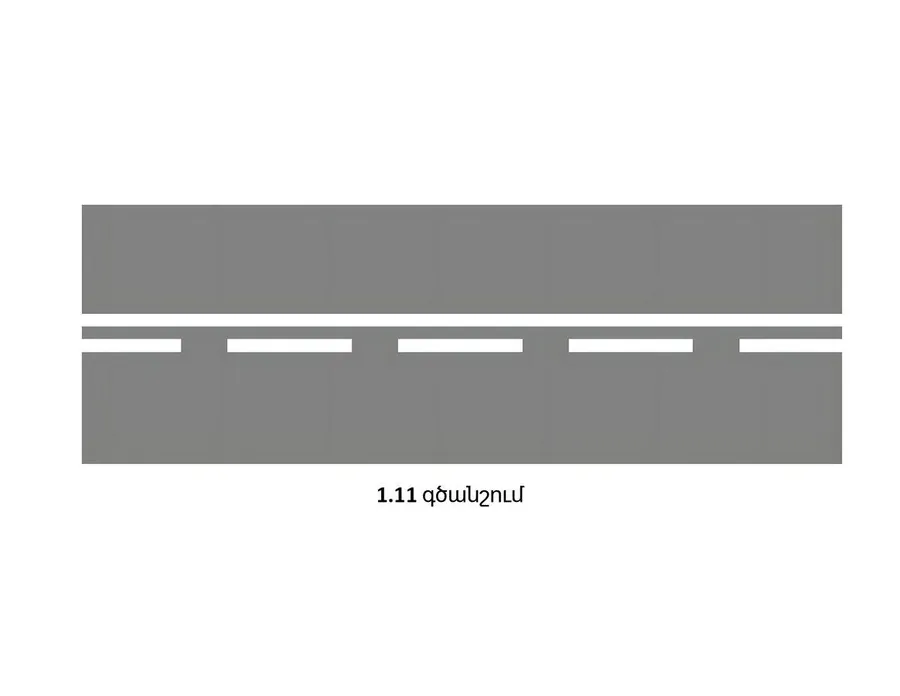
157
Is it permitted to cross a combination of solid and broken lines from the solid-line side?
1
Not permitted.
2
Permitted when completing a passing maneuver or driving around an obstruction.
(Correct answer)
158
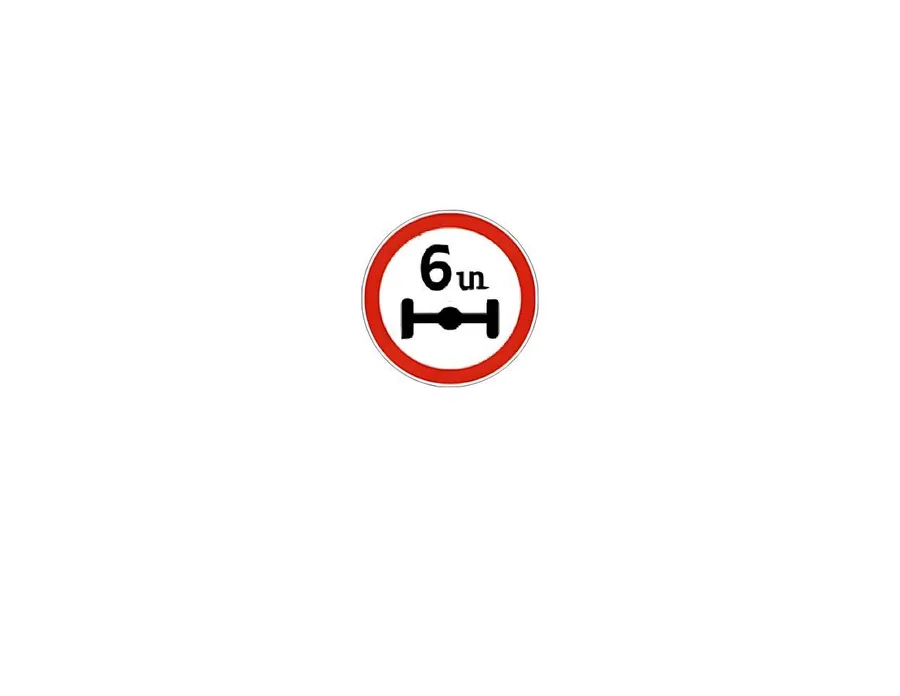
Within the area of effect of this sign, buses are prohibited from driving if:
1
Their actual mass is 8 t.
2
The axle load exceeds the value indicated on the sign.
(Correct answer)
3
Their maximum authorized mass is 8 t.
159
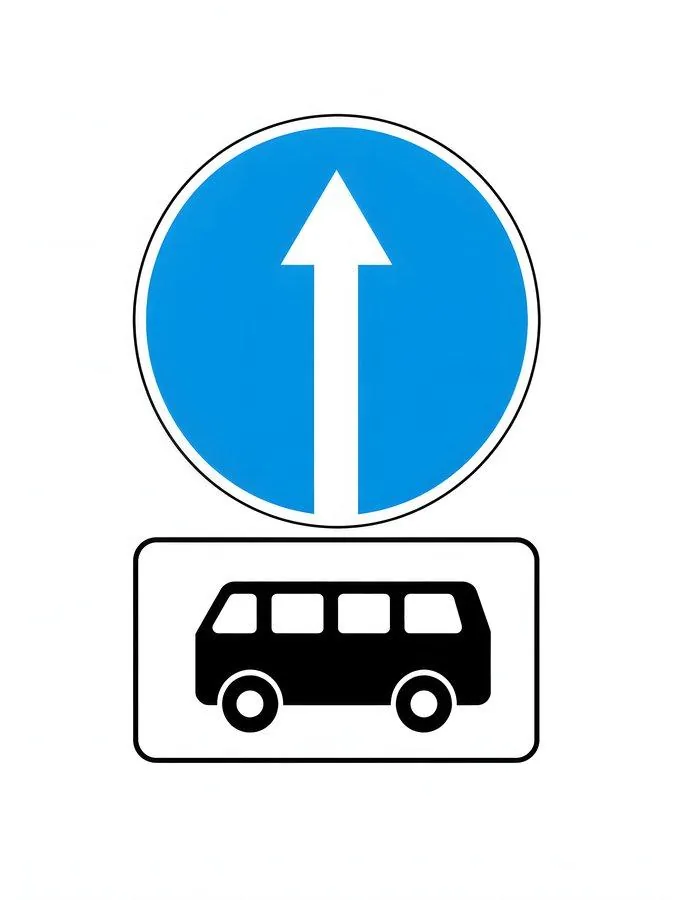
When these signs are present, proceeding straight ahead only is permitted for:
1
All vehicles.
2
Trolleybuses.
3
Buses.
(Correct answer)
160
Is it permitted to cross the broken reversible pavement marking when the reversible traffic signal is absent or switched off?
1
Not permitted.
2
Permitted if the line is to the driver’s right.
(Correct answer)