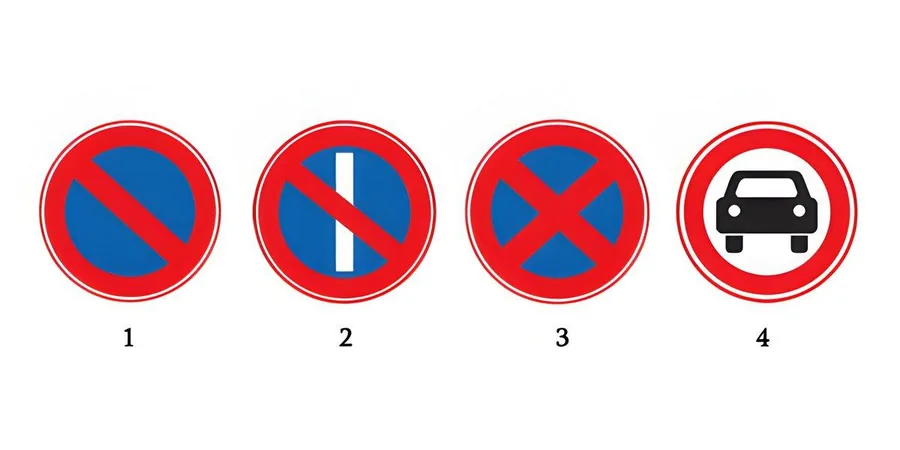
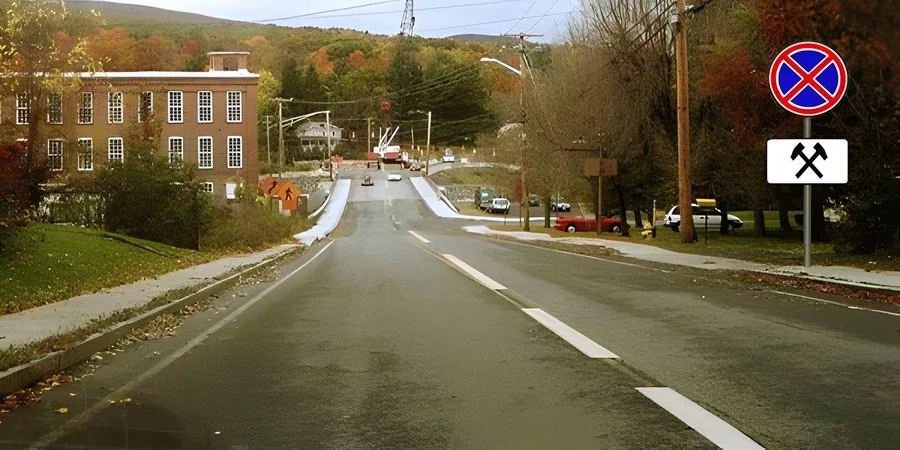
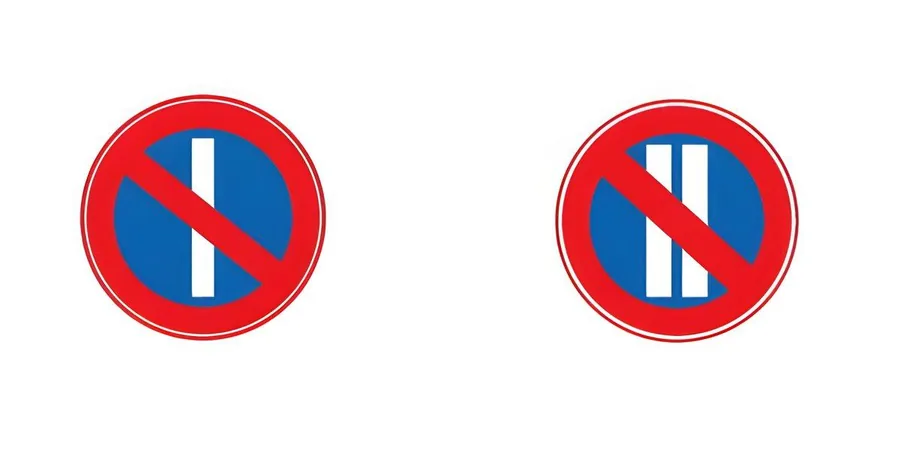
Which traffic signs do not apply to public transit vehicles?
1
None of them.
2
Only the first.
3
Only the fourth.
(Correct answer)
62
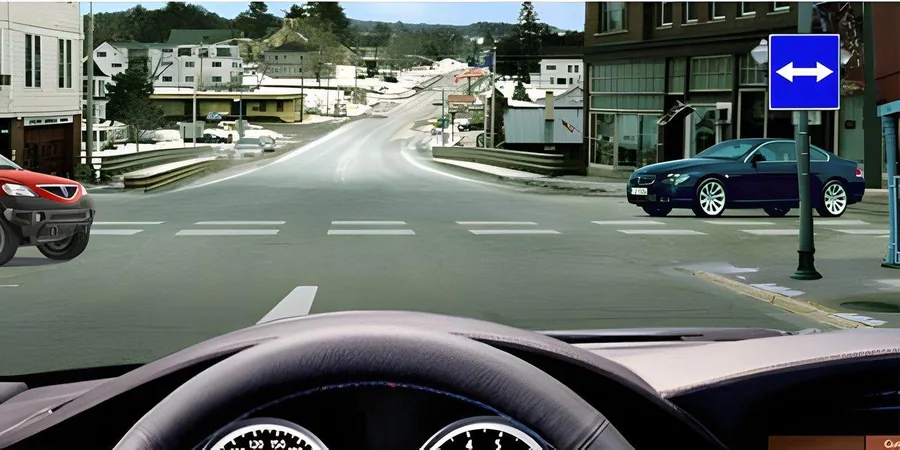
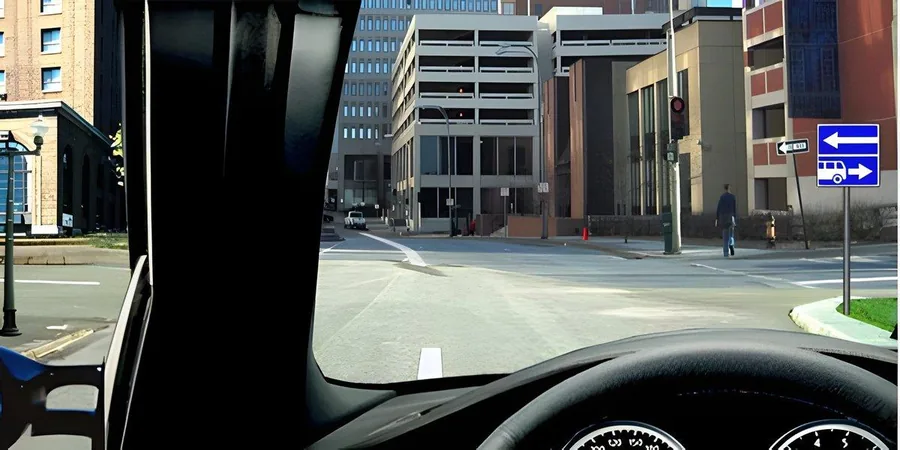
The following traffic sign indicates:
1
At the intersection, traffic must proceed to the left or to the right.
2
Reversible traffic is established on the intersecting road.
(Correct answer)
3
One-way traffic is established on the intersecting road.
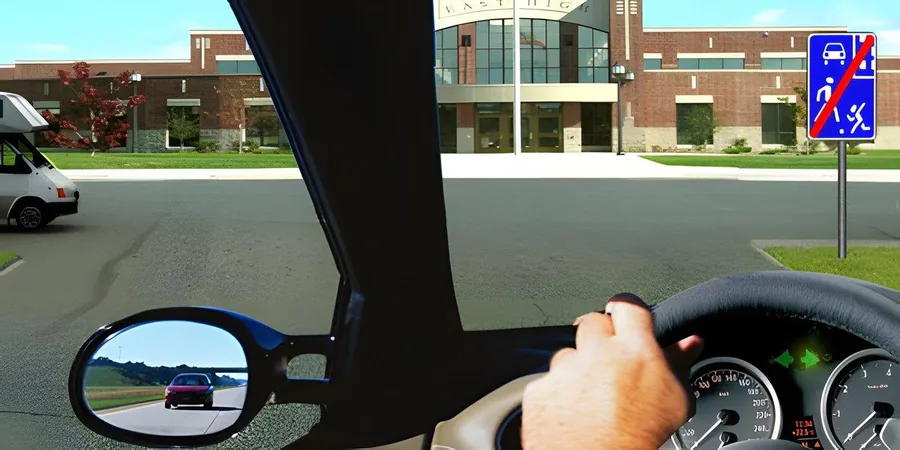
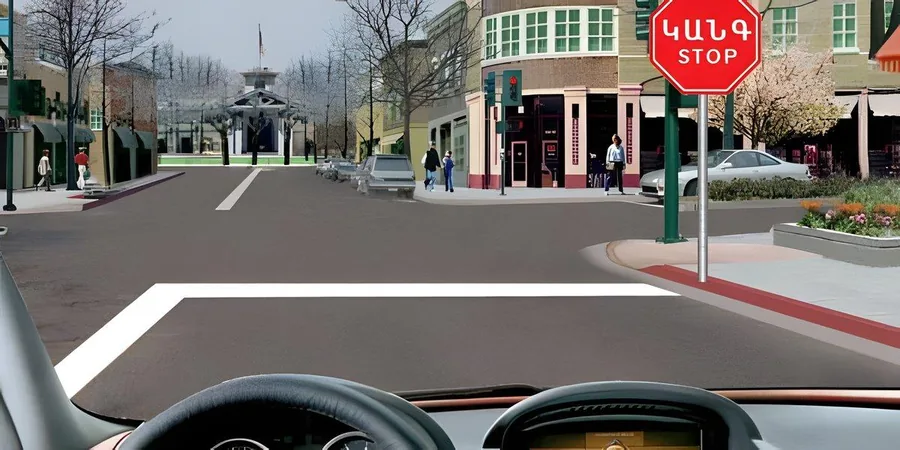
63
In this situation, must the driver yield to the truck?
1
Yes.
(Correct answer)
2
No.
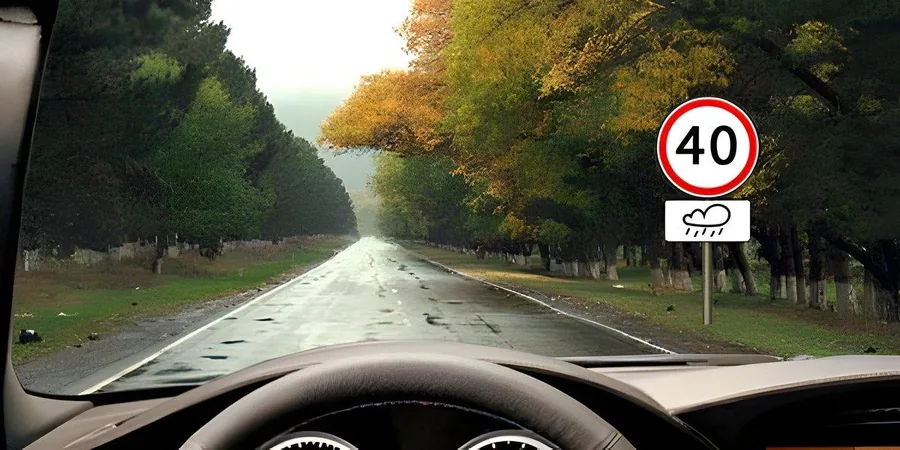
64
What do the following traffic signs indicate?
1
When the road is icy, traffic must proceed at a speed of 40 km/h.
2
When the roadway surface is wet, the maximum permitted speed is 40 km/h.
(Correct answer)
65
What do the following traffic signs indicate?
1
Stopping is prohibited on Saturdays.
2
Stopping is prohibited on Sundays.
3
Stopping is prohibited on weekdays.
(Correct answer)
66
What do the following traffic signs indicate?
1
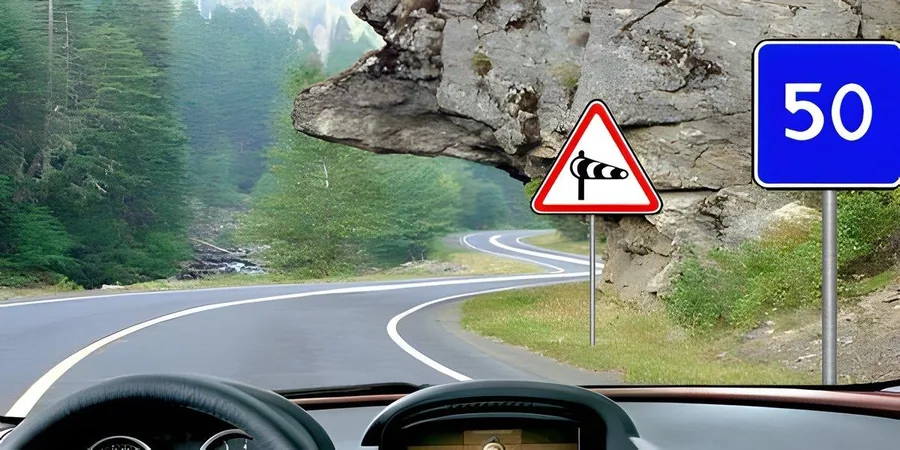
On this section of road, the maximum permitted speed is 50 km/h.
2
A speed of 50 km/h is recommended on this section of road.
(Correct answer)
3
Driving is permitted only at the speed indicated on the sign or higher.
67
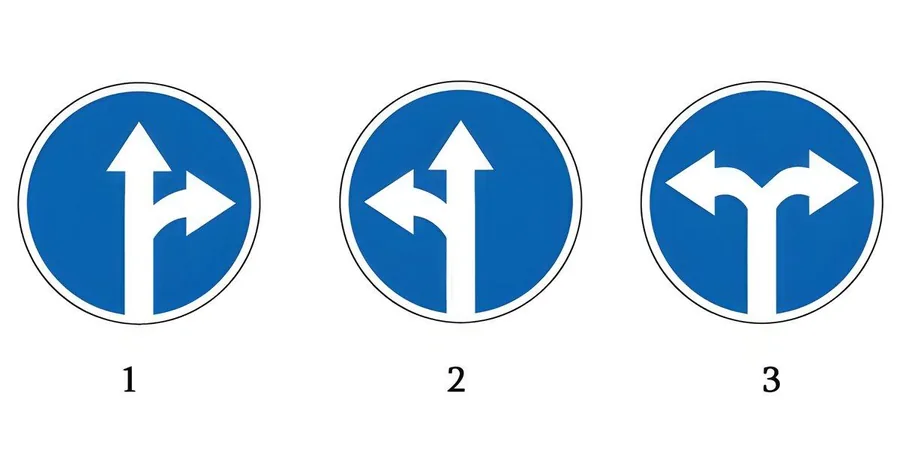
Which traffic sign requires a driver to proceed only to the left or to the right?
1
1
2
2
3
3
(Correct answer)
68
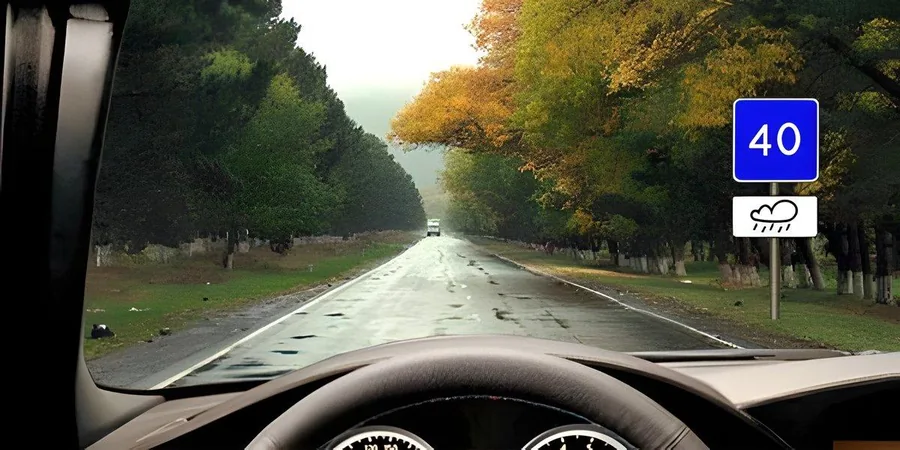
What do the following traffic signs indicate?
1
When the roadway surface is wet, a speed of 40 km/h is recommended.
(Correct answer)
2
When the roadway surface is wet, the maximum permitted speed is 40 km/h.
69
The effect of these traffic signs applies:
1
On the left side of the road.
2
On the right side of the road.
3
On the side of the road where they are installed.
(Correct answer)
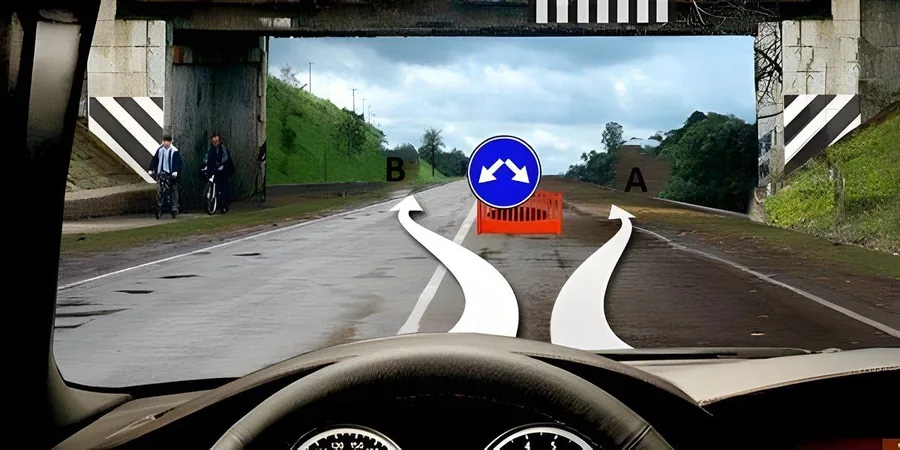
70
In this situation, along which path or paths is it permitted to go around the obstruction?
1
Only A.
2
Only B.
3
A and B.
(Correct answer)
71
What should the driver do in this situation?
1
Stop at the first sign.
2
Stop before the second sign.
(Correct answer)
3
Stop at least 5 meters before the first railroad track.
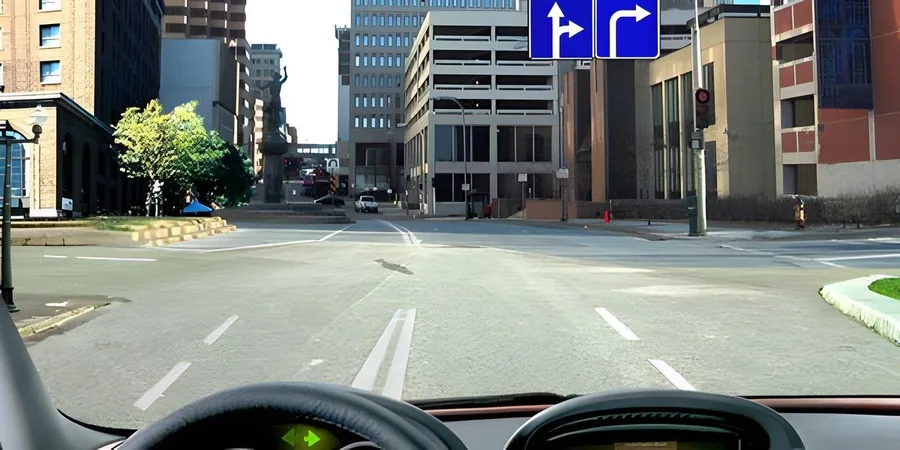
72
What should the driver do if intending to make a right turn at the intersection?
1
The driver may change into the right traffic lane and then make the right turn.
2
The driver may approach the intersection and then make the right turn.
3
Both answers are correct.
(Correct answer)
73
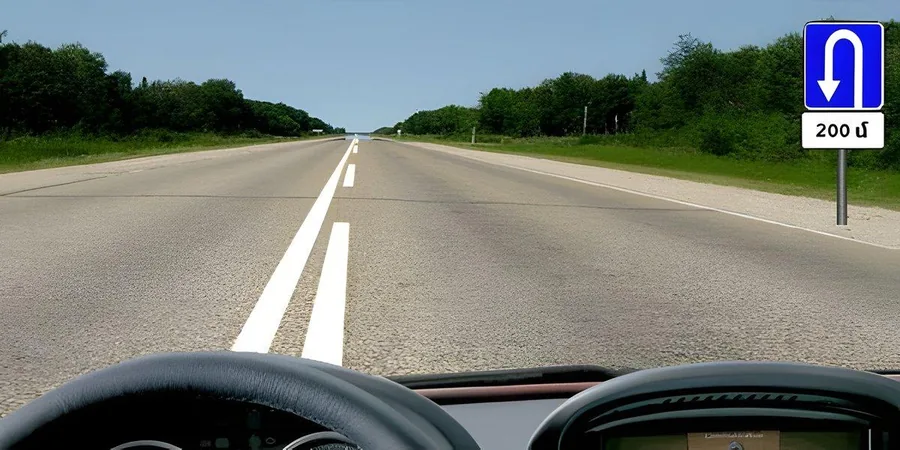
In this situation, at a distance of 200 m from the sign, is the driver permitted to make a U-turn?
1
Yes.
(Correct answer)
2
No.
74
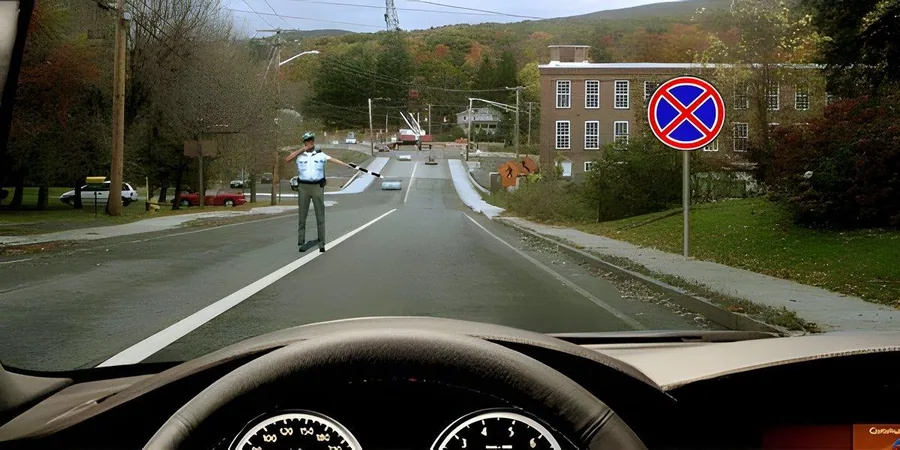
In this case, must the driver stop at the location indicated by the traffic controller?
1
No, because the sign prohibits stopping.
2
Yes.
(Correct answer)
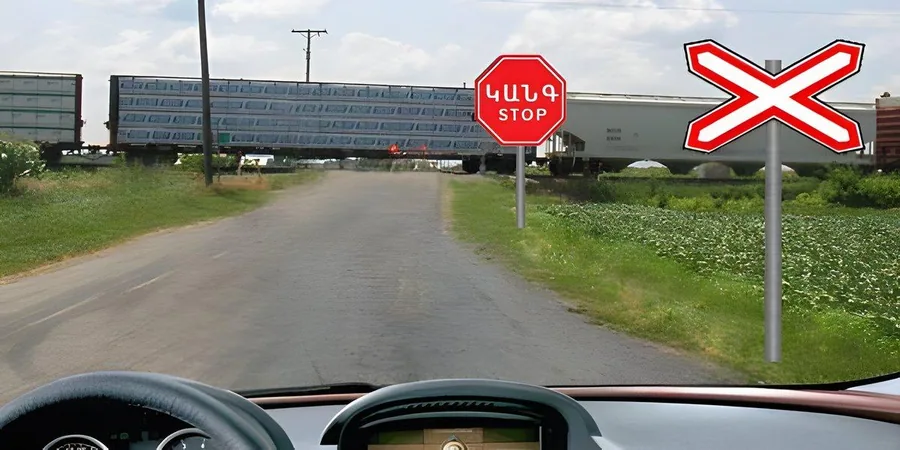
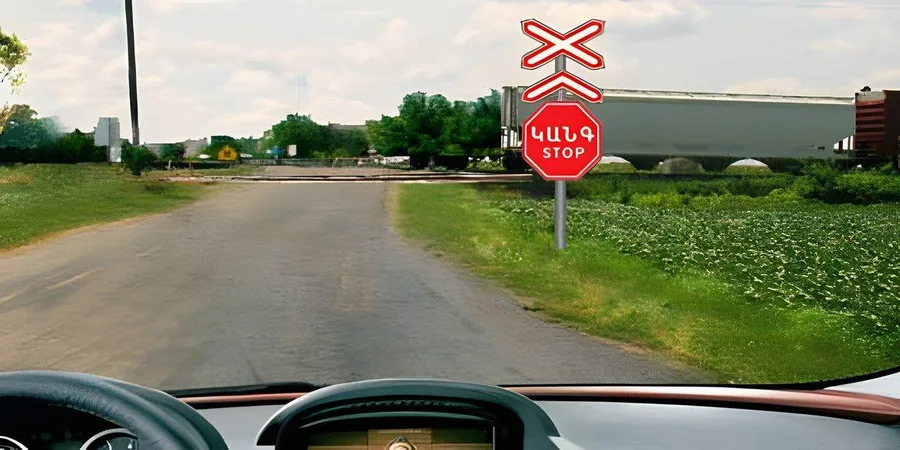
75
What should the driver do in this situation?
1
Proceed through the railroad crossing while ensuring safety.
2
Proceed through the railroad crossing without stopping.
3
Stop before the sign and then, while ensuring safety, proceed through the multiple-track railroad crossing.
(Correct answer)
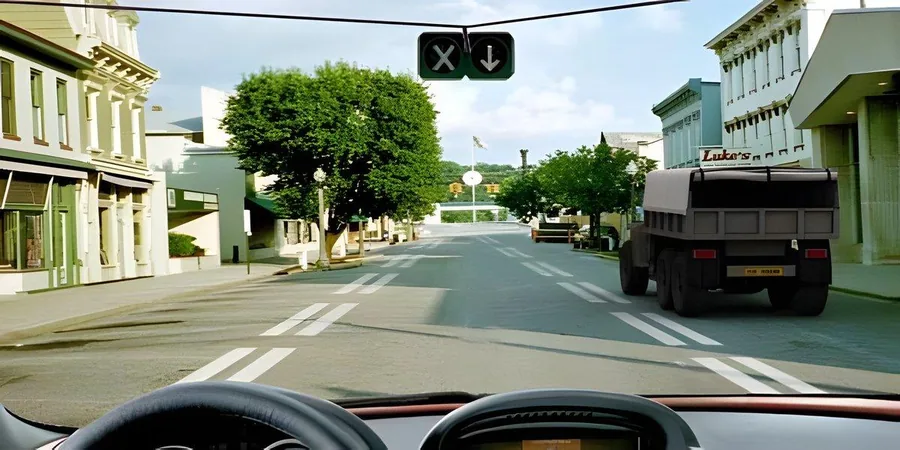
76
What does the pavement marking on the roadway indicate?
1
The boundaries of lanes designated for vehicles proceeding in the same direction.
2
The boundaries of a reversible traffic lane.
(Correct answer)
77
In which direction or directions is the passenger car permitted to proceed?
1
To the left and by making a U-turn.
2
In any direction.
3
Straight ahead, to the left, and by making a U-turn.
(Correct answer)
78
What should the driver do in this situation?
1
If necessary, yield to a vehicle proceeding on the intersecting road.
2
Stop and yield to a vehicle proceeding on the intersecting road.
(Correct answer)
79
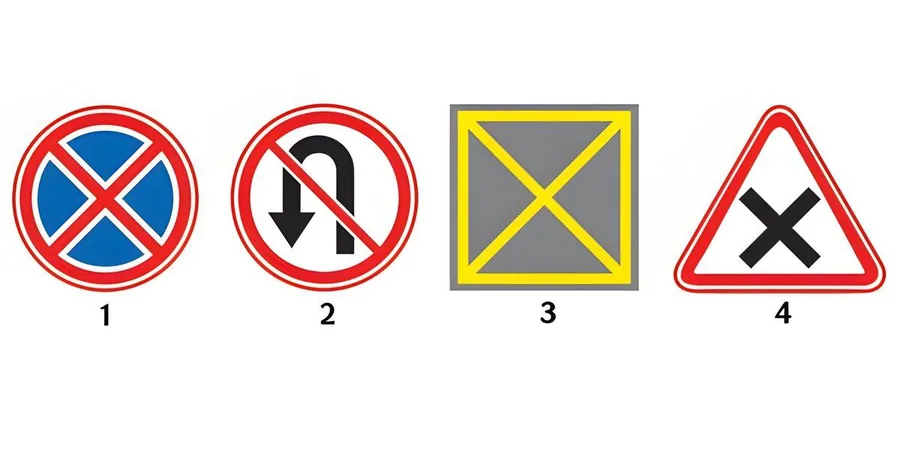
Which of the following traffic signs prohibits entering an intersection area if congestion has formed ahead in the direction of traffic, except when making a right or left turn?
1
1
2
2
3
3
(Correct answer)
4
4
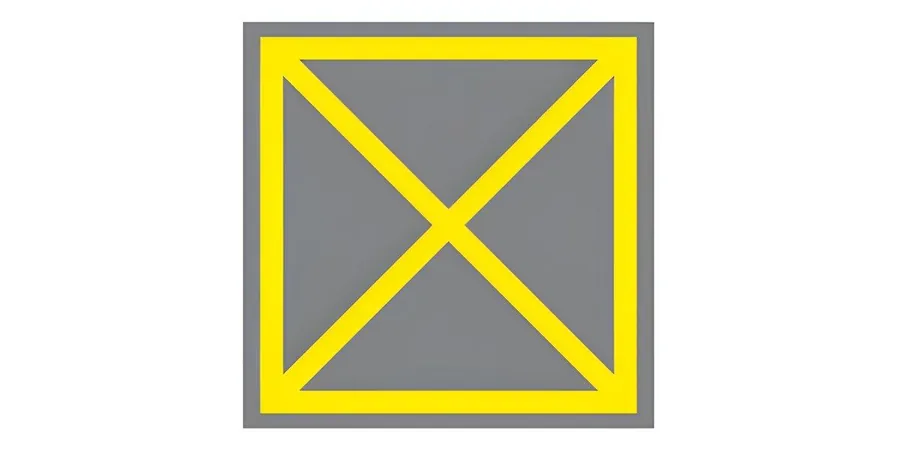
80
At what maximum distance may the “Intersection Area” traffic sign be installed at a complex intersection if it cannot be installed at the boundary of the intersection?